Cómo la colaboración y el capital están generando resiliencia en la región
Por Alena Klimas, Abril 12, 2022
SHARE
S
onya Comes es una abuela y residente de larga data del este de Kentucky que nunca se imaginó que iba a tener su propia casa. Cuando se enteró del programa Hope Building, estaba divorciada y alquilaba la casa de un familiar. Bajo la dirección de la Alianza para el Desarrollo de Viviendas (HDA, por su sigla en inglés), un desarrollador de viviendas asequibles sin fines de lucro de su zona, Hope construye casas asequibles y ofrece capacitación sobre edificación a personas en recuperación.
En la actualidad, Comes es propietaria y “no podría estar más feliz” con su casa, ubicada en el condado de Perry, Kentucky, que pasó de ser un parque de caravanas abandonado a un barrio rural en desarrollo en las afueras de Hazard, la sede del condado. “Creo que el proyecto Hope tuvo un impacto extraordinario en la comunidad”, agrega.
Lanzado en 2019, Hope Building forma parte de una iniciativa más amplia de la HDA, que apunta a restaurar el destruido mercado local de viviendas en la zona de los cuatro condados de la que se ocupa. A través de los años, la HDA creció con el apoyo de socios clave, incluidos Fahe, una institución financiera de desarrollo comunitario (CDFI, por su sigla en inglés) regional enfocada en el tema de viviendas asequibles; Mountain Association, una CDFI enfocada en la región de los Apalaches, en Kentucky; el Appalachian Impact Fund de la Foundation for Appalachian Kentucky; y la Comisión Regional de los Apalaches (ARC, por su sigla en inglés), una asociación para el desarrollo económico estatal/federal creada en la década de los sesenta. En la actualidad, la HDA está lista para expandir el programa Hope y demostrar la viabilidad del modelo a la vez que analiza necesidades críticas relacionadas con la disponibilidad de viviendas, el desarrollo de la fuerza de trabajo y la recuperación de adicciones. Pero la organización debe conseguir préstamos de capital flexibles y asegurados de manera creativa para complementar los fondos existentes. Si todo resulta según lo planificado, una nueva iniciativa llamada Invest Appalachia ayudará a la HDA en este sentido.
Invest Appalachia es un fondo regional de inversiones sociales que surgió a partir de una serie de reuniones con financiadores, investigadores y empresarios, entre otros, en 2016 y 2017, y está diseñado para ayudar a cerrar brechas críticas de inversión en la zona central de los Apalaches. En lugares como el condado de Perry, donde la mediana de la renta familiar es de US$ 33.640, intenta ofrecer inversiones flexibles y maleables, junto con capital combinado, algo que los grandes financiadores no siempre pueden o están dispuestos a hacer. Para eso, se asocia con redes regionales y atrae nuevo capital de impacto que proviene, principalmente, desde fuera de la región.
La creación de un ambiente propicio para el capital en el condado de Perry, que se ha convertido en una especie de centro de desarrollo comunitario, no es casual, comenta Sara Morgan, directora ejecutiva de inversiones de Fahe y tesorera de la junta directiva de Invest Appalachia: “Un buen financiamiento se logra tras una larga trayectoria de trabajo y planificación”.
El condado de Perry no siempre ha sido un blanco evidente para los inversionistas y, como ya mencionamos, tampoco lo fue gran parte de la región de los Apalaches. Los proyectos intersectoriales y las innovadoras estructuras de capital que brotan en la región se basan en la experiencia recogida por actores y redes regionales de desarrollo comunitario durante las últimas tres décadas. En conjunto, han logrado establecer un nuevo ecosistema de inversiones en la zona central de los Apalaches, comprometido con la visión a largo plazo de construir una economía inclusiva y sostenible, luego de décadas de desinversión en esta región y su gente.
Las raíces de la resiliencia
La región de los Apalaches se extiende desde el sur de Nueva York hasta Mississippi y Alabama, siguiendo, en gran parte, el contorno de la cadena montañosa que le da su nombre. La zona central de los Apalaches es el corazón de la región y comprende secciones del sudeste de Ohio, el este de Kentucky, Virginia Occidental, el sudoeste de Virginia, el este de Tennessee y el oeste de Carolina del Norte. Durante mucho tiempo, partes significativas de su cultura y economía han estado vinculadas a los auges y las caídas de la industria del carbón.
En 1964, cuando el presidente Johnson declaró la Guerra Nacional contra la Pobreza, la imagen de una niña de la región de los Apalaches apareció en el póster de la campaña como telón de fondo del material impreso de los “recorridos contra la pobreza”, que realizó para llevar su mensaje a los hogares. Si bien Johnson no fue el primer presidente que reconoció e intentó analizar las principales disparidades económicas entre los estados de la región de los Apalaches y los estados vecinos, formalizó las inversiones en soluciones que abarcaron desde viviendas hasta almuerzos calientes con la creación de la ARC en 1965. La tarea que se le asignó a la ARC fue supervisar el desarrollo económico de 423 condados a lo largo de 13 estados montañosos.
Desde entonces, la ARC ha realizado 28.000 inversiones focalizadas e invertido más de 4.500 millones de dólares. A esos fondos se han sumado más de 10.000 millones de dólares provenientes de otros fondos federales, estatales y locales. Si bien esas inversiones marcaron una diferencia significativa en la práctica y permitieron apoyar proyectos como el programa Hope Building, la comisión no puede respaldar a la región por sí sola, ni se diseñó para eso.
Con el colapso de industrias importantes como la del carbón, las fábricas y el gas natural, a lo largo de las últimas tres décadas, los residentes de la región de los Apalaches, a quienes solo les quedaron vestigios de las economías extractivas, no tuvieron otra opción que armarse desde adentro para sobrevivir y volver a comenzar sus economías locales prácticamente desde cero. La retirada de esta importante industria coincidió con la desaparición de los bancos comunitarios: más del 80 por ciento abandonó el mercado, la mayoría por fusiones con bancos más grandes. La reducción de los bancos de propiedad local (del 80 al 20 por ciento en zonas rurales) llevó a que instituciones gubernamentales más grandes, como la ARC y el Departamento de Agricultura de los Estados Unidos (USDA, por su sigla en inglés), trabajaran con CDFI para salvar las brechas (Edelman 2015).
Si bien había fondos disponibles, no siempre estuvo claro lo que había que financiar. En la región de los Apalaches, desde hace mucho tiempo, problemas en la cadena de suministro y lógicas de inversión carentes de consideraciones sociales vulneran a las personas que viven allí. Al no haber compradores de productos de alta gama o saludables, por ejemplo, estos no se venden en los mercados locales. Al no haber una base de consumidores rentable para la banda ancha, ¿para qué invertir tiempo y recursos en llevar el servicio a áreas montañosas rurales? Este es el tipo de cálculo del mercado que hace tiempo ha dejado a la región en un círculo vicioso de vulnerabilidad.
Andrew Crosson, director general fundador de Invest Appalachia, señala a la región, por su reputación, como un lugar “de riesgo” para las inversiones y, por la falta de capital, como “el producto final de una serie de decisiones tomadas por inversionistas, gestores de políticas y fuerzas económicas que llevaron a la desinversión de estas comunidades”. Según comenta, las iniciativas actuales en la región “están compensando la falta de oportunidades generadoras de riqueza que sufrieron durante generaciones, lo que requerirá más mejoras crediticias [y] más asistencia técnica . . . el capital a precio de mercado no resolverá el problema de los mercados destruidos o subdesarrollados por sí solo”.
En la década de 1990, un grupo de ONG regionales creó la Red de la Región Central de los Apalaches (CAN, por su sigla en inglés) para llevar a cabo un análisis común, proyectos a escala a lo largo de los estados y trabajo conjunto en problemas de larga data. La red, que en un principio se enfocó en los sistemas alimentarios de la región, expandió su alcance a fin de analizar una gama más amplia de estrategias para el desarrollo comunitario, lo que incluye energía limpia, turismo, desarrollo de la fuerza de trabajo y reducción de residuos. Veinte años después de la creación de esa red, la comunidad filantrópica siguió su ejemplo. Los efectos directos de la crisis financiera de 2008 hicieron caer las inversiones de los financiadores hasta un 10,5 por ciento a nivel nacional durante el pico de la Gran Recesión (Schlegel 2020). En la región de los Apalaches, los financiadores empezaron a colaborar de manera más estrecha, a cofinanciar en los casos en los que se podía y a compartir análisis para ayudar a proteger la zona de estos impactos económicos. A partir de las reuniones informales que se realizaban, se creó la Red de Financiadores de la Región de los Apalaches (AFN, por su sigla en inglés), que alineó sus iniciativas de inversión con la CAN y sus prioridades.
Crosson empezó a trabajar con la CAN y la flamante AFN en 2012. Con el apoyo de la Fundación Ford, la ARC y el USDA, la CAN gestionó una iniciativa de colaboración con varias organizaciones regionales sin fines de lucro para crear un sistema alimentario robusto a nivel local y regional. Con el tiempo, esta alineación regional ilustró el impacto de la colaboración de alto nivel. En 2018, inversiones hechas en la cadena de valor por US$ 3 millones contribuyeron a lograr una renta anual de unos US$ 20 millones y 1.608 puestos de trabajo en el sector de producción rural y alimentario.
Pero después de casi una década de colaboración entre financiadores y profesionales, ambas redes se dieron cuenta de que ni la filantropía tradicional ni las subvenciones del gobierno podían abordar la magnitud de los obstáculos económicos de la región de los Apalaches. Las entidades crediticias comunitarias y los bancos de la Reserva Federal empezaron a involucrarse cada vez más con la red de los financiadores y a trabajar para el desarrollo de una cartera de acuerdos listos para inversión. La Fahe sola declaró un “impacto acumulado de más de mil millones de dólares . . . con servicios prestados a más de 616.694 personas”, y otras CDFI trabajaron arduamente para otorgar préstamos y brindar asesoramiento financiero a empresas y ONG. Pero la región central de los Apalaches necesitaba que se invirtiera más capital, y nuevos tipos de este, para lograr la escala de revitalización requerida.
Este reconocimiento propició las conversaciones que mantuvieron las partes interesadas durante años y que condujeron a la creación de Invest Appalachia. Ese trabajo preliminar incluyó la participación en el programa Connect Capital que llevó a cabo el Centro para la Inversión Comunitaria (CCI, por su sigla en inglés) del Instituto Lincoln, y que delineó la organización de manera que pudiera adaptarse a las necesidades regionales y que fuera competitiva en materia de recaudación de fondos a nivel nacional (ver nota de recuadro). Según comenta Crosson, esa experiencia fue esencial para el diseño de Invest Appalachia y ayudó a conseguir una subvención de ARC POWER por el valor de US$ 2,5 millones, que les proporcionó el capital semilla y los fondos operativos iniciales. Dada la profunda colaboración y organización en red que se había producido en la región, Invest Appalachia tenía proyectos dignos de inversión para ir lanzando a medida que comenzaba la ardua tarea de recaudar el capital flexible necesario para empezar a generar un impacto real.
Centrándose en la función del capital y en la capacidad de las personas, las empresas y las comunidades de acceder a él, Invest Appalachia está “tomando las piezas que funcionan bien y las impulsa para que puedan llegar más lejos, hasta las comunidades marginadas, para ayudar a distribuir mejor los dólares que hay”, manifestó Crosson.
INVEST APPALACHIA Y CONNECT CAPITAL
En 2018, el Centro para la Inversión Comunitaria (CCI, por su sigla en inglés) del Instituto Lincoln lanzó Connect Capital para ayudar a las comunidades a atraer y movilizar capital a escala, a fin de abordar sus necesidades. El primer grupo estuvo conformado por seis equipos, incluidos varios profesionales de desarrollo comunitario y otros dirigentes de la región central de los Apalaches. En el equipo participaron Sara Morgan, directora ejecutiva de inversiones de Fahe; Deb Markley, vicepresidenta de Locus Impact Investing; Andrew Crosson, quien llegaría a ser director general fundador de Invest Appalachia; y varias otras CDFI y dirigentes filantrópicos.
Connect Capital brindó capacitación dentro del marco de absorción de capital del CCI, un conjunto de principios organizativos que ayuda a los grupos a identificar prioridades compartidas, a crear una cartera de productos en los que se pueda invertir y a fortalecer el ambiente propicio para las políticas y prácticas que hacen posible la inversión. Morgan, Markley y Crosson manifestaron que la capacitación en el desarrollo de la cartera, un enfoque que promueve el pasaje de un modelo de escasez y competencia por los recursos a uno colaborativo, fue fundamental para la región y para el desarrollo de Invest Appalachia. La participación en Connect Capital aceleró el lanzamiento de la nueva entidad y le brindó las herramientas para tener éxito.
“Al ser un grupo de inversión de múltiples estados que analiza problemas como el desarrollo económico, el equipo de la zona central de los Apalaches se diferenciaba de los otros participantes”, comenta Omar Carrillo Tinajero, director de innovación y aprendizaje del CCI, quien dirigió el programa Connect Capital. Según expresó Tinajero, quedó impresionado por la dedicación del equipo en cuanto a la toma de decisiones democráticas y la creación de una asociación construida sobre la base de la confianza, y resaltó que las comunidades deben estar listas para absorber flujos de capital provenientes de la solidez de las relaciones. Sorprendido por el nivel de expansión que debían tener las carteras de inversiones, el CCI apoyó al equipo en la identificación de acuerdos a gran escala que ahora representan gran parte de la primera ronda de inversiones planificadas de Invest Appalachia.
Ideas importantes
Invest Appalachia se lanzó con cuatro prioridades sectoriales principales: energía limpia, creación de entornos creativos, salud de la comunidad, y alimentos y agricultura. Estas prioridades se identificaron a través de una investigación colaborativa de varios años, y la fase de diseño incluyó a distintas partes interesadas a nivel regional, como miembros de la CAN y la AFN, CDFI, agencias públicas y grupos de desarrollo comunitario. La dirección de la estrategia de inversión de los fondos estará a cargo de una junta directiva formada por 14 partes interesadas, mientras que un Concejo de Asesoramiento Comunitario y un Comité de Inversiones supervisarán el uso de los fondos, impulsarán las prioridades de los sectores y definirán y medirán los objetivos y el impacto.
Construir un sistema alimentario local y regional más robusto es una prioridad tanto para los financiadores como para los profesionales en la zona central de los Apalaches. Crédito: Rural Action.
El programa Hope Building, que abrió el camino hacia la adquisición asequible de viviendas para Sonya Comes y otros, ofrece un ejemplo de cómo Invest Appalachia sumaría estructuras de capital a lo largo de la región, en el sector de salud de la comunidad. Una posible inversión en Hope podría impulsar una inversión total por millones de dólares de la Alianza para el Desarrollo de la Vivienda, la ARC, la Fahe y el Appalachian Impact Fund que acoge la Foundation for Appalachian Kentucky. Para apoyar a los inversionistas actuales, Invest Appalachia puede ayudarlos a satisfacer la necesidad de obtener capital de préstamos subordinados y flexibles a través de estos tipos de inversiones innovadoras y “la eliminación de riesgos” de deudas parcialmente aseguradas a través de mejoras crediticias, como reservas preventivas para riesgo crediticio. Esto permitiría a la HDA crear más puestos de trabajo, edificar más casas e impulsar un mayor financiamiento.
Morgan, quien indicó que la Fahe ha invertido en la HDA por más de 20 años, ve las viviendas asequibles como “un trampolín para la recuperación económica” y espera que Invest Appalachia pueda acceder a los recursos que aporta este proyecto, y otros similares, a escala.
Invest Appalachia pretende desempeñar este tipo de papel en proyectos que van desde la revitalización del centro de la ciudad hasta instalaciones de energía solar (ver nota de recuadro en página 31). Actualmente, Crosson está llevando a cabo una campaña de capital con el respaldo de Locus Impact Investing, con sede en Richmond, Virginia, el administrador de inversiones del fondo, y asegura que el fondo está bien encaminado para cerrar esta primera ronda de recaudación de capital a fines del segundo trimestre de 2022. El objetivo total de Invest Appalachia Fund, una sociedad de responsabilidad limitada afiliada y dirigida por la ONG, es recaudar US$ 40 millones para principios de 2023, que se invertirán durante un período de siete años. Esta inversión reembolsable se complementará a través de un fondo catalizador común filantrópico que apoyará el desarrollo de una cartera inclusiva y ayudará a preparar proyectos dignos de inversión para que se concreten.
El fondo catalizador común proporcionará fondos flexibles tipo subvención que ayudarán a los proyectos que buscan inversiones a abordar problemas de capacidad, garantía o riesgo que no permiten que accedan a capital reembolsable. Como escribió Crosson en un artículo reciente de Nonprofit Quarterly, “sin mejoras crediticias, subsidios y otro capital flexible no extractivo que aceleren y eliminen los riesgos de los proyectos, las inversiones a gran escala no llegarán nunca a los residentes marginados que viven en lugares de baja riqueza como la región de los Apalaches” (Crosson 2021). Mientras tanto, Invest Appalachia Fund, LLC será una fuente de inversiones reembolsables en forma de préstamos grandes y flexibles gestionados en colaboración con otros socios de inversiones regionales como las CDFI. Este fondo asume intencionalmente más riesgos que la mayoría de las entidades crediticias, a fin de impulsar el capital hacia proyectos en los que es difícil invertir. Debido a esta estructura combinada, podrá absorber este riesgo y, aun así, realizar la devolución de capital y devoluciones concesionarias (por debajo del mercado) a los inversionistas. Según comenta Crosson, Locus Impact Investing encajaba como anillo al dedo en el rol de administrador de inversiones del fondo por su experiencia comprobable en financiamiento creativo y su arraigo en la región. Deb Markley, vicepresidenta de Locus, ha estado trabajando en la región por más de tres décadas. Markley describió a Invest Appalachia como un “socio confiable esencial” y comentó que Crosson cuenta con los tipos de redes adecuados y la confianza para superar los desafíos inherentes a una región rural con escasez de recursos, donde iniciativas de desarrollo comunitario nuevas o ambiciosas históricamente se enfrentan a respuestas escépticas o resistencias fundadas.
“Durante demasiado tiempo la región de los Apalaches se ha definido por lo que le falta”, escribió Markley en un artículo publicado en el sitio web de Locus (Markley 2021). “Al mejorar las oportunidades de inversión y apoyar a las instituciones financieras y a los profesionales arraigados en la zona, Invest Appalachia está reflejando una nueva narrativa acerca de la región para los inversionistas externos (presentando a la región central de los Apalaches como un lugar de oportunidad y visión). Como agente innovador en el espacio de capital comunitario, Invest Appalachia es una prueba positiva de que las regiones rurales pueden fomentar la creatividad, y así lo hacen, y servir de ejemplo a otras partes del país”.
Recaudar capital por más de US$ 50 millones no es tarea sencilla, pero las partes interesadas de la región confían en que Invest Appalachia triunfará en el ámbito nacional. El fondo transmite un mensaje de oportunidad a los inversionistas y ofrece una base a nivel nacional, en lugar de reforzar y realzar imágenes estereotipadas y motivadoras de la pobreza de la región de los Apalaches. Como resultado, Invest Appalachia está empezando a atraer inversionistas listos para asumir compromisos a largo plazo a fin de transformar la región.
Una cultura de colaboración
Según manifiesta Crosson, los inversionistas nacionales se sorprenden constantemente por la diversidad de proyectos y el nivel de colaboración y confianza que reina entre las entidades crediticias de la región de los Apalaches. Se preguntan cómo es posible que una región con pobreza crónica, marginada desde el punto de vista económico y en la que no se suele invertir demasiado, haya construido un ecosistema de inversiones comunitario capaz de absorber y utilizar capital catalizador en pos de un cambio transformador. De hecho, hicieron tantas preguntas de ese tipo, que la Iniciativa de Ecosistema de Inversión en la Región de los Apalaches (AIEI, por su sigla en inglés), una coalición que incluye a Invest Appalachia, Locus, Fahe y Community Capital (socio CDFI regional), entre otros, creó un recurso en línea llamado “By Us For Us: The Appalachian Ecosystem Journey” (Por nosotros, para nosotros: recorrido por el ecosistema de la región de los Apalaches) para relatar el movimiento y el desarrollo de capacidades, y resaltar las historias de éxito regionales (AIEI 2021).
Corredactada por Sandra Mikush, exdirectora adjunta de Mary Reynolds Babcock Foundation, esta crónica regional se creó para proporcionar un contexto y recomendaciones a financiadores cuando buscan apoyar a comunidades de recursos escasos. Además, puede usarse como guía para otras zonas rurales en las que las redes y las asociaciones regionales se van fusionando, como el Delta y la zona rural de Texas.
Si bien las partes interesadas de la región central de los Apalaches han progresado considerablemente en la construcción de un ecosistema de inversión próspero y funcional, aún encuentran obstáculos para alcanzar el éxito económico a largo plazo. En muchos estados de la región de los Apalaches, los gestores de políticas tienden a favorecer los recortes tributarios para las corporaciones, postura que probablemente atrae a más industrias parásitas con auges y caídas, en lugar de buscar hacer inversiones profundas en las empresas locales y crear incentivos para ellas. Además, persiste ese discurso denigrante acerca de la gente de la región: que es una locura invertir en ellos y que no están dispuestos a trabajar duro para cambiar su situación, o no pueden hacerlo. Los mensajes de Invest Appalachia a los inversionistas nacionales y las inversiones planificadas en el trabajo a largo plazo de las comunidades ayudarán a combatir estos discursos y, en colaboración con varios socios, prepararán el camino para recrear lo que es posible para la región.
En Decolonizing Wealth, el autor y defensor de la filantropía y la justicia social, Edgar Villanueva, describe la necesidad de luchar contra una cosmovisión de separación y de cultivar la integración a fin de lograr un equilibrio (Villanueva 2018). Esa filosofía guía los esfuerzos por construir una economía más inclusiva, sostenible y resiliente en la región central de los Apalaches. “Si vamos a inclinar la balanza hacia la región de los Apalaches, debemos trabajar juntos”, indicó Morgan, de Fahe. “Espero que Invest Appalachia recaude los recursos a los que no podemos acceder porque es un nuevo tipo de vehículo, y sé que ellos conseguirán un capital consistente que nos ayudará a desarrollar una cartera de acuerdos en los que invertir juntos. Los recursos llegarán más lejos juntos”.
Alena Klimas se especializa en compromisos filantrópicos y escribe acerca de la cultura y el desarrollo económico de la región de los Apalaches. Colaboró con muchas organizaciones e iniciativas de la región a través de su antiguo trabajo en Appalachia Funders Network y Rural Support Partners, una consultora de gestión basada en la misión. Kilmas se crio en Virginia Occidental y en la actualidad vive en Asheville, Carolina del Norte.
Crédito de la imagen principal: Foundation for Appalachian Kentucky.
Edelman, Sarah. 2015. “The State of Rural Banking: Challenges and Consequences”. Testimonio ante el Comité de Banca, Vivienda y Asuntos Urbanos, y el Subcomité de Asuntos Urbanos sobre Instituciones Financieras y Protección al Consumidor del Senado. Washington, DC: Center for American Progress. https://www.banking.senate.gov/imo/media/doc/EdelmanTestimony102815FICP.pdf.
Esta entrevista, que se ha editado por motivos de espacio, también está disponible como pódcast de Land Matters.
Cuando fue electo en 2017, Randall L. Woodfin se convirtió en el alcalde en funciones más joven de Birmingham en 120 años. Woodfin, que actualmente tiene 40 años y hace casi uno que ejerce su segundo mandato, convirtió la revitalización de los 99 barrios de la ciudad, junto con la mejora en educación, la promoción de un clima de oportunidad económica y el aprovechamiento de asociaciones de entes públicos y privados en su prioridad máxima.
En una ciudad abatida por la pérdida de población y de fábricas, incluso en los sectores siderúrgico y del hierro que alguna vez prosperaron allí, Woodfin posó su mirada en la educación y la juventud como elementos clave para un futuro mejor. Creó Birmingham Promise, una asociación de entes públicos y privados que ofrece formación y asistencia para matrículas a fin de cubrir los costos de los estudios superiores para los graduados de las escuelas secundarias de Birmingham, y lanzó el programa Pardons for Progress (Perdonar para progresar), a través del cual la alcaldía indultó 15.000 cargos por delitos menores de posesión de marihuana del año 1990, que obstaculizaban las oportunidades de empleo.
Woodfin es graduado de Morehouse College y de la Facultad de Derecho Cumberland de la Universidad de Samford. Se desempeñó como adjunto del fiscal de la ciudad durante ocho años, antes de postularse para alcalde, y fue presidente del Consejo de Educación de Birmingham.
Anthony Flint:¿Cómo considera que influyó su visión sobre la revitalización urbana en la gran cantidad de personas que votaron por primera vez y se inclinaron por usted?
Randall Woodfin: Creo que mi visión en cuanto a la revitalización urbana (en la práctica yo la llamo revitalización barrial) influyó de manera significativa no solo en los votantes que habitualmente acuden a las urnas para apoyarme, sino también en los nuevos. Pienso que me eligieron porque los escucho más de lo que hablo. Creo que muchos residentes pensaron: “hace años que tengo estos problemas al lado de mi casa, a la derecha o a la izquierda, pero nadie les presta atención. Nadie me da una respuesta. No se brindan los servicios. Quiero un cambio”. Prioricé la revitalización barrial porque es la prioridad de los ciudadanos para los que quería trabajar.
AF:Dado que la Ley de Empleo e Inversión en Infraestructura y la Ley del Plan de Rescate Estadounidense otorgan grandes cantidades de fondos a los gobiernos estatales y locales, ¿cómo tiene planificado distribuir ese dinero de manera efectiva para obtener el máximo beneficio?
RW: Es una oportunidad única para dar un gran impulso a las mejoras e inversiones en infraestructura que necesitamos hacer tanto en nuestra ciudad como en nuestra comunidad. No contamos con este tipo de dinero, quizás, desde el Nuevo Trato. Si tenemos eso en cuenta, esta es una oportunidad para que la ciudad de Birmingham, los ciudadanos y las comunidades ganen.
Implementamos un sistema de comando unificado para recibir estos fondos. Por un lado, la ciudad de Birmingham tiene derecho, por ley, a recibir esos fondos directos, y así lo haremos. Por el otro, debemos ser radicales y buscar subsidios competitivos para proyectos de construcción listos para comenzar de inmediato.
Con nuestro Centro de Comando de Estímulos, lo que hicimos fue asociarnos no solo con el consejo de nuestra ciudad, sino con la agencia de transporte. Tenemos un puerto interno, así que nos asociamos con el Puerto de Birmingham. Nos asociamos con nuestro aeropuerto y con el departamento de obras hídricas. Todas estas agencias son organismos públicos que brindan servicios a los mismos ciudadanos para los que yo trabajo.
Opinamos que la mejor manera de acercarnos a todos estos recursos de infraestructura es a través de un enfoque colectivo. Con estos fondos, tenemos la oportunidad no solo de impulsar nuestra identidad económica, sino también de realizar inversiones reales en la infraestructura que nuestros ciudadanos usan a diario.
AF:El Instituto Lincoln ha trabajado mucho en pos de la regeneración equitativa de antiguas ciudades. ¿Cuáles son para usted los elementos clave de inversión en la comunidad y en la revitalización barrial que realmente tienen peso?
RW: Yo explico todo lo que sucede desde el punto de vista de la revitalización barrial de esta manera. En primer lugar, contaré una historia para plantear el problema. La ciudad de Birmingham tiene la suerte de estar formada por 23 comunidades en 99 barrios. Para profundizar más, podemos visitar un barrio determinado, en una cuadra en particular. Hay una madre en un hogar unifamiliar que es la propietaria y el sostén responsable de la familia.
Tiene un hijo o una nieta que viven con ella. Cuando se asoma por el frente, mira hacia la derecha y ve una casa abandonada y en ruinas que hace años que está allí y debería demolerse. Mira hacia la [izquierda] y ve un terreno baldío junto a su casa. Cuando sale a la calle, tiene miedo de que su hijo o su nieta jueguen o anden en bicicleta por ahí, ya que la acera no está en buen estado.
Cuando saca su automóvil del garaje, advierte que hace años que no pavimentan esa calle. Los juegos de la plaza a la que quiere ir caminando con su hijo o su nieta hace tiempo que no se mejoran o actualizan. Como está oscureciendo, se prepara para volver con su hijo o nieta caminando a casa, pero las luces de la calle no funcionan. Llega la hora de la cena, pero no hay opciones de comida cerca. Estos son los temas que intentamos resolver.
Uno es la eliminación de la casa en ruinas, deshacerse de la estructura destruida que tiene a su derecha. Tenemos que edificar de manera vertical para generar más hogares unifamiliares asequibles y a precio de mercado, y evitar [que queden] barrios “desdentados”, donde se demuelen las casas destruidas, pero queda una casa, un baldío, una casa, un baldío, un baldío.
En cuanto a los niños, debemos invertir en esa acera para que puedan jugar, o simplemente caminar, de manera segura. Tenemos que pavimentar más calles. Debemos equipar los parques de juegos de manera adecuada. Debemos asociarnos con nuestra empresa de electricidad para instalar más luces LED en ese barrio, para que la gente se sienta segura. Tenemos que invertir en opciones de alimentos saludables para poder ofrecer a nuestros ciudadanos una mejor calidad de vida. Estos son los temas relacionados con la revitalización barrial que yo enmarco y trato para asegurarme de que la gente quiera vivir en estos barrios.
AF:¿Cuáles son sus prioridades principales para abordar el cambio climático? ¿Cómo siente Birmingham los efectos del calentamiento y qué se puede hacer al respecto?
RW: El cambio climático es una realidad. Quiero ser contundente al afirmar que el cambio climático es una realidad. Al no estar cerca de la costa, no sentimos el impacto directo que sufren otras ciudades, como Mobile, en el estado de Alabama. Sin embargo, cuando se producen determinados fenómenos climáticos en la costa de Alabama, sí generan un impacto en la ciudad de Birmingham.
Además, está el problema de los tornados, que creo que siguen aumentando con el paso de los años y afectan a ciudades como Birmingham, ubicada en una cuenca del valle. En cuanto a la calidad del aire, Birmingham se fundó, desde el punto de vista de los trabajadores, a partir de la industria siderúrgica y del hierro, y de otros artículos de fabricación local. Si bien estas ya dejaron de impulsar la economía, aún quedan vestigios que tienen un impacto negativo.
Tenemos un sitio Superfund justo en el centro de nuestra ciudad que ha afectado la calidad del aire que se respira, lo que me parece absolutamente inaceptable. La prioridad de la ciudad de Birmingham y de su administración ha sido abordar el cambio climático desde una perspectiva de justicia social. Lo que estamos haciendo es asociarnos con la EPA para resolver problemas locales concretos.
Desde el punto de vista nacional, Birmingham se sumó a otras ciudades en lo que respecta al Pacto de París. En mi opinión, esta conversación sobre el cambio climático no se puede dar en una ciudad aislada y, desafortunadamente, la ciudad de Birmingham no tiene autonomía. Ha sido difícil conversar con nuestro gobernador acerca de lo importante que es para el estado de Alabama unirse al llamado que proclama: “tenemos que levantar nuestra voz y aumentar nuestra intención y determinación acerca del cambio climático”, y defenderlo de verdad.
AF:¿Qué puede decir acerca de sus iniciativas para crear viviendas seguras y asequibles, incluido un banco de tierras?
RW: Desde mi perspectiva, es como una caja que contiene varias herramientas que permiten abordar el tema de las viviendas. Cuando la población de la ciudad de Birmingham alcanzó su punto máximo, a fines de la década del 60 y principios de la del 70, había aproximadamente 340.000 residentes. Ahora somos 206.000 dentro de los límites de nuestra ciudad.
No es difícil imaginar el costo y la carga que tuvo esa disminución sobre el parque de viviendas. Si sumamos a eso las casas que pasan de una generación a otra sin que se les realice necesariamente el mantenimiento adecuado, el resultado es una cantidad importante de casas en ruinas. Como otras ciudades del país, creamos un banco de tierras. Este banco se creó antes de que yo asumiera mi cargo, pero nosotros, como administración, hemos intentado mejorar su efectividad. Para propiciar esa efectividad, no solo miramos hacia aquellos que pueden comprar tierra a granel, sino que también capacitamos al vecino de al lado, al barrio o a la iglesia local de modo que puedan participar en la compra del lote contiguo, para asegurarnos, una vez más, de poder deshacernos de estas cuadras o barrios “desdentados” y empezar a edificar viviendas unifamiliares verticales.
Además, estamos reconociendo que, en los centros urbanos, es difícil involucrar a los emprendedores inmobiliarios privados en las negociaciones. Lo que estuvimos haciendo (con parte de los fondos obtenidos en el marco de la Ley del Plan de Rescate Estadounidense [ARPA, por su sigla en inglés]) es reservar dinero para cubrir parte de estos costos de desarrollo, a fin de financiar viviendas no solo asequibles sino a precio de mercado dentro de los límites de nuestra ciudad, para asegurarnos de que nuestros ciudadanos participen en el debate y puedan sentir que están preparados si realmente optan por cumplir su deseo de tener un hogar, y que tienen una vía para eso.
AF:Para terminar, cuéntenos un poco su opinión acerca del ingreso garantizado que se ofrece a madres solteras a través de un programa piloto. Usted se sumó a la iniciativa de varios otros alcaldes. ¿Cómo refleja eso su enfoque para gobernar esta ciudad posindustrial mediana?
RW: La ciudad de Birmingham tiene la suerte de formar parte de un programa piloto que ofrece ingreso garantizado a madres solteras de nuestra ciudad. Reciben un ingreso de US$ 375 durante un período de 12 meses. Es decir, US$ 375 por mes, sin restricciones ni requisitos en cuanto a en qué pueden gastar el dinero.
Cada ciudad del país tiene su propia historia, su propia personalidad y su propio conjunto de desafíos únicos. A la vez, todas compartimos destinos similares y tenemos problemas parecidos. La ciudad de Birmingham tiene su dosis considerable de pobreza. No tenemos solo pobreza, sino que está concentrada, [y] el ingreso garantizado es otra herramienta de la caja que reduce la pobreza. Más del 60 por ciento de los hogares de Birmingham están a cargo de mujeres solteras. No es que presuma de esto, es un hecho real. Muchas de estas madres de familia están solas y enfrentan dificultades.
Supongo que todos estamos de acuerdo en que nadie puede vivir con US$ 375 por mes. Pero si tuvieran estos US$ 375 adicionales en el bolsillo o en sus casas, ¿serían de ayuda para el hogar? ¿Ayudarían para llevar comida a la mesa? ¿Ayudarían para pagar los servicios? ¿Ayudarían para conseguir ropa y calzado para los niños? ¿Ayudarían para ir de un punto a otro para conservar el trabajo y poder, así, mantener a los niños?
Por eso creo que este programa piloto de ingreso garantizado será útil. Solo tenemos 120 cupos, así que no representa necesariamente a la mayoría, pero puedo decirle que más de 7.000 hogares lo solicitaron. La necesidad existe, y nosotros debemos hacer todo lo posible para ofrecer más oportunidades de manera que nuestras familias puedan cuidarse.
Anthony Flint es miembro sénior del Instituto Lincoln, conduce el ciclo de pódcasts Land Matters y es editor colaborador de Land Lines.
n publicaciones realizadas en la última Época Dorada, Henry George advirtió acerca de los peligros sociales y económicos de donar plus-valías a propietarios que no habían hecho nada para ganárselas. En esta nueva Época Dorada, la desigualdad económica combinada con tasas de interés persistentemente bajas conduce al empeoramiento de la redistribución de la riqueza, ya que una parte cada vez mayor va a quienes tienen recursos, mientras que a cada vez más familias les resulta imposible pagar los precios desorbitantes de las viviendas decentes. Una consecuencia positiva de la pandemia es que se hizo un llamamiento a la voluntad política para abordar dos desafíos relacionados que tienen su origen en políticas de suelo: la crisis de asequibilidad de las viviendas y las brechas de riqueza provocadas por un racismo estructural.
Entre politólogos y gestores de políticas está surgiendo un consenso sobre que ambos desafíos son el resultado de políticas de suelo excluyentes. Si bien la exclusión es el factor principal, no es el único. Lo que es más importante, no existe una única solución que logre mágicamente que las viviendas sean más asequibles y, al mismo tiempo, disminuya las brechas de riqueza.
Decenas de gobiernos locales, estatales y nacionales (incluido el de Pasco, Washington, que se perfiló en este sentido) están reformando la zonificación residencial que anteriormente solo permitía viviendas unifamiliares independientes. La lógica de esta intervención es razonable. La zonificación unifamiliar limita el desarrollo, ya que impone restricciones como tamaños mínimos de lotes. Como resultado, aumentan los costos de las viviendas, lo que impide que las familias de ingresos más bajos las compren o alquilen en barrios atractivos. Al relajar estas políticas, será posible producir más viviendas a precios más económicos, al menos en teoría.
Los fundamentalistas del mercado aducen que los incentivos financieros son tan poderosos que, si logramos construir dos, cuatro o incluso doce unidades en un predio en el que antes se podía edificar solo una, la solución de la crisis de viviendas asequibles estará garantizada, gracias al aumento de la producción. Pero existe una gran diferencia entre permitir el desarrollo de múltiples unidades y el desarrollo de estas en sí. Y no hay ninguna garantía de que sean asequibles. Se han construido muchos condominios y departamentos prohibitivos en ubicaciones de alta densidad, como la ciudad de Nueva York, donde la escasez de viviendas asequibles es crítica. Una gran cantidad de ellos están vacíos. ¿Cómo pueden lugares como Pasco evitar que suceda lo mismo?
Parte de la respuesta tiene que ver con el mercado de viviendas. Como mencioné antes, la vivienda representa dos mercancías muy diferentes que se comercializan en el mismo mercado. Cada unidad puede satisfacer la demanda de un techo para una familia o la de rendimientos para ávidos inversionistas. Muchas veces, pero no siempre, una vivienda puede satisfacer ambas, cuando es el propietario quien ocupa la unidad. Sin embargo, cada vez más a menudo vemos familias que compiten por un techo disponible con inversionistas saturados de liquidez. A excepción de una intervención innovadora realizada por el Puerto de Cincinnati que analizaré en otro momento, suelen ganar los inversionistas.
A medida que la desigualdad económica global empeora, la brecha entre la provisión de techo y la oportunidad de inversión precipita una escasez inexorable de viviendas asequibles, aunque no de viviendas en sí. En los Estados Unidos, contamos con alrededor de 20 millones más de unidades habitacionales que hogares y hay más viviendas que hogares en todos los mercados de viviendas del país. Según el censo estadounidense, incluso en un mercado reducido como el de Pasco, hay 23.126 unidades habitacionales, pero solo 22.174 hogares. El mercado metropolitano en el que se encuentra Pasco contiene 106.104 unidades habitacionales y 100.336 hogares. Si bien la sobreoferta no es grande, es un buen ejemplo: nuestro problema no es la oferta, sino el tipo de viviendas que ofrecemos (o permitimos que se ofrezca).
Además, la tierra es una mercancía que se comercializa en muchos mercados, como bien de inversión y como bien de usos múltiples: residencial, industrial, comercial y agrícola. El precio del suelo deriva de una compleja combinación de factores sociales, legales y económicos que están prácticamente fuera de la égida del propietario. Si más personas emigran a una ciudad o a un barrio, el valor del suelo sube. Si se realizan mejoras en infraestructura, como tratamiento de aguas residuales o transporte accesible, el valor del suelo sube. Si las políticas locales permiten un desarrollo más intensivo en un predio, su valor aumentará.
¿Quién gana cuando se permiten edificaciones multifamiliares en lotes que solían ser unifamiliares? Los propietarios que reciben plusvalías caídas del cielo están entre los grandes ganadores. Este aumento de la plusvalía pone a los propietarios de la zona en riesgo, ya que puede aumentar los impuestos. Si los cambios de zonificación no se diseñan como parte de una estrategia más amplia que apunte a abordar la capacidad de pago, pueden propiciar desplazamientos sin quererlo. Los urbanistas de Pasco lo saben y están elaborando un conjunto de tácticas integrales y equilibradas para que su comunidad siga siendo asequible.
Los antecedentes de exclusión racial del país complican aún más los mercados del suelo y la vivienda, y se eluden todas las iniciativas para hacer frente a esta. Históricamente, restricciones de escritura, cláusulas legales y otras prácticas explícitas, aunque hoy en día ilegales, garantizaron la exclusión de las personas de determinados barrios en función de su color de piel, etnia o afiliación religiosa. A esto se sumaron prácticas financieras descaradamente racistas que se establecieron en los orígenes del sistema moderno de financiamiento de viviendas. Durante seis décadas, hemos intentado luchar, con poco éxito, contra estas formas de racismo estructural a través de políticas públicas. Esta historia sirve como moraleja.
A partir de la promulgación de la Ley de Derechos Civiles de 1964, la Ley de Vivienda Justa de 1968 y la Ley de Igualdad de Oportunidades de Crédito de 1974, la nación prohíbe formalmente la discriminación en materia de viviendas y préstamos. La Ley de Reinversión Comunitaria de 1977 impuso más obligaciones de hacer sobre entidades crediticias reguladas a fin de satisfacer las necesidades de crédito de sus comunidades. Aun así, en 2018, el Centro de Periodismo Investigativo analizó 31 millones de hipotecas y descubrió que las entidades crediticias reguladas negaban hipotecas convencionales a personas de color, en un porcentaje significativamente más alto que a las personas blancas en 61 áreas metropolitanas, incluso después de controlar sus ingresos y otros factores socioeconómicos. La brecha racial nacional en cuanto a tasas de adquisición de viviendas es peor hoy que en 1960, cuando comenzaron las iniciativas para abordar la discriminación en materia de vivienda.
Cerrar la brecha racial de la riqueza requerirá mucho más que nivelar el campo de juego financiero y producir más unidades habitacionales. Contar con viviendas estables y asequibles en zonas de grandes oportunidades es fundamental para el éxito económico de las familias a largo plazo. Pero al incrementar el parque de viviendas no aumenta necesariamente la disponibilidad de viviendas asequibles para familias de bajos ingresos, ni se garantiza que las poblaciones históricamente excluidas tengan acceso a oportunidades para adquirir viviendas que generen riqueza en barrios prósperos.
En casi todos los mercados de viviendas de los Estados Unidos, estamos produciendo demasiadas viviendas del tipo incorrecto y permitiendo que el parque actual quede por fuera del control local. Los alquileres cada vez más altos alientan la transformación de hogares unifamiliares en unidades para alquiler a una escala sin precedentes. Los fondos de inversión inmobiliaria en viviendas unifamiliares para alquiler se han convertido en una excelente oportunidad de inversión. Según CoreLogic, los inversionistas adquirieron más del 25 por ciento de todas las viviendas unifamiliares que se compraron en los Estados Unidos en los últimos dos trimestres de 2021. Una sola reforma de zonificación no cambiará la manera en la que funciona el mercado, y nada hará que el capital global deje de superar las ofertas de las familias que necesitan un techo en las transacciones de viviendas en barrios atractivos, a menos que se tomen otras medidas.
Al redesarrollar antiguas zonas de viviendas unifamiliares, debemos implementar fuertes requisitos de inclusión que obliguen a los propietarios a construir viviendas asequibles. Además, es necesario brindar y proteger oportunidades para que familias que históricamente quedaron excluidas compren casas asequibles y aumenten su patrimonio. En lugar de regalar derechos de desarrollo adicionales a los propietarios, estos deberían venderse. Los derechos de desarrollo se comercializan activamente en muchos mercados privados y algunos públicos de los Estados Unidos. Los municipios podrían recaudar miles de millones de dólares con la venta de estos derechos, y las ganancias se podrían utilizar para iniciativas que aborden la brecha racial de la riqueza mediante, por ejemplo, la provisión de ayudas generosas para pagar anticipos para viviendas o reducir los impuestos sobre la propiedad inmobiliaria.
Una vez que hayamos establecido un suministro razonable de viviendas asequibles, debemos preservarlas. Para esto, habrá que proteger el parque de viviendas asequibles de los mercados de capital global. Esto puede lograrse fácilmente si se aplican impuestos más altos sobre las ganancias de capital obtenidas de transacciones inmobiliarias especulativas. En Taiwán, los impuestos sobre la plusvalía tuvieron un efecto paralizador sobre la especulación inmobiliaria. Además, las restricciones de escritura pueden limitar los precios de venta futuros. Acuerdos de propiedad alternativos, como cooperativas de patrimonio limitado o fideicomisos de suelo comunitarios, pueden garantizar una capacidad de pago permanente. Si no actuamos ya, en las próximas décadas enfrentaremos crisis continuas de vivienda asequible. Pero es importante advertir una cosa: limitar la ventaja financiera para preservar las viviendas asequibles obstaculizará nuestros esfuerzos para eliminar las brechas raciales de la riqueza mediante la adquisición de viviendas. Esto ilustra los desafíos de intervenir en sistemas complejos. Una vez que reconozcamos la complejidad, podremos considerar las posibles negociaciones para encontrar un compromiso práctico y aceptable.
En el Instituto Lincoln, aplaudimos el reconocimiento de las políticas de suelo como el origen de los mayores desafíos sociales y económicos. Pero las intervenciones simplistas en sistemas de suelo y vivienda complejos no servirán para hacer frente a estos desafíos asombrosamente intrincados. No podemos confiar en el incremento de la oferta de viviendas como si fuera una solución mágica. Debemos sumar otras políticas a la reforma de zonificación y probar distintas combinaciones en un proceso iterativo. A medida que avanzamos, debemos tener presentes las palabras de H. L. Mencken: “Para todo problema humano hay siempre una solución clara, plausible y equivocada”.
Imagen: Este dúplex en Portland, Oregón, es un ejemplo de vivienda “intermedia faltante” (o missing middle), que puede ofrecer opciones más asequibles en barrios que antiguamente eran unifamiliares. Para que sean verdaderamente efectivos, los cambios de zonificación que permiten la disponibilidad de este tipo de viviendas también deben exigir que estas sean asequibles y formen parte de una estrategia de vivienda más amplia. Crédito: Biblioteca de fotos de viviendas intermedias del Instituto Sightline vía Flickr CC BY 2.0.
En el ámbito interno
Dirigentes locales abordan la crisis de vivenda asequible
Por Loren Berlin, Abril 7, 2022
SHARE
W
Cuando Jacob Gonzalez se mudó de Seattle a Pasco, Washington, su ciudad natal, para trabajar en el Concejo Regional de Gobiernos en 2013, si bien sus necesidades de vivienda eran sencillas, a simple vista, resultaron sorprendentemente difíciles de abordar. “Lo único que buscaba era un departamento pequeño para mí y mis CD. Ni siquiera tenía mascota”, explica. “Pero no había muchos departamentos, y no iba a volverme loco para pagar un espacio que no necesitaba ni podía costear, o un departamento antiguo que no tenía lo que yo buscaba”. Así que se fue a vivir con sus padres.
Gonzalez se incorporó al Gobierno de la ciudad de Pasco como urbanista en 2018 y hoy es gerente de planificación del Departamento de Desarrollo Económico y Comunitario de la ciudad. En la actualidad, alquila un pequeño chalet a pocos kilómetros de la casa donde creció. Reconoce que la alternativa de recurrir a su familia como vivienda temporal es un lujo que la mayoría de los otros residentes de Pasco no se puede dar. “Gracias a mis padres, tuve opciones. Tal vez no me gustaban, pero al menos las tuve, mientras que muchos de los miembros de nuestra comunidad no tienen esa flexibilidad. Para muchos, la vivienda es un desafío que enfrentan mes a mes”.
Al igual que prácticamente todas las comunidades de los Estados Unidos, Pasco se enfrenta a una falta importante de viviendas asequibles. La ciudad de Pasco, ubicada en las tierras fértiles de la cuenca del río Columbia, al sudeste de Washington, tiene aproximadamente 80.000 residentes y forma parte de Tri-Cities, un centro regional que incluye las ciudades de Kennewick y Richland, y que, en conjunto, alberga a unas 300.000 personas. Establecida por la compañía de Ferrocarril del Pacífico Norte a fines del s. XIX, Pasco es una ciudad principalmente agrícola. Durante varias décadas, se la ha considerado un lugar donde se pueden comprar casas asequibles dentro de una región con costos de vivienda altos.
Hasta hace unos años, Pasco podía satisfacer a esos compradores gracias a su disponibilidad de viviendas, con un 70 por ciento de casas unifamiliares independientes, la mayoría construida antes del año 2000. Sin embargo, Pasco se ha desarrollado mucho en las últimas dos décadas y, en la actualidad, es una de las ciudades de crecimiento más rápido de Washington. Hoy, la población de Pasco es relativamente joven y con características demográficas variadas. La edad promedio en la ciudad es de 29 años, mientras que a nivel nacional es de 38, y más de la mitad de los residentes se identifican como hispanos o latinos. El crecimiento demográfico vertiginoso se debe, al menos en parte, a la rápida diversificación de la economía de Pasco, que se ha expandido más allá de su base agrícola y ahora incluye oportunidades laborales en el área de salud pública y servicios gubernamentales locales.
Como consecuencia del aumento de la población, también se ha incrementado el costo de la tierra y las viviendas. En Pasco, el precio promedio de una casa aumentó alrededor del 60 por ciento en menos de cinco años, de US$ 237.600 en 2017 a US$ 379.000 en 2021. Si bien esto se corresponde con un aumento promedio del 66 por ciento en Washington durante la misma época, es considerablemente superior al aumento del 21 por ciento a nivel nacional.
De acuerdo con el Plan Integral 2018–2038 de Pasco, para el año 2038 se requerirán más de 15.000 unidades habitacionales adicionales para albergar a los 48.000 residentes nuevos que se proyectan. A la tasa de producción actual, el personal de la ciudad calcula que le faltarán unas 5.000 unidades para alcanzar ese objetivo.
Según comenta Martha Galvez, directora ejecutiva del Laboratorio de Soluciones de Vivienda del Centro Furman de Política Inmobiliaria y Urbana de la Universidad de Nueva York, Pasco no es la única ciudad que lidia con problemas de vivienda que surgen del desarrollo acelerado. “El crecimiento ha sido un tema muy común en las ciudades pequeñas y medianas”, remarca Galvez. “Parte de ese crecimiento se debe a que las personas emigran de las grandes ciudades cálidas de la costa a lugares más pequeños donde se pueden conseguir viviendas más espaciosas por menos dinero. Y el motivo es que estos sitios generan puestos de trabajo y atraen a las industrias”. Este es el caso de Pasco, donde Amazon está construyendo dos depósitos de más de un millón de pies cuadrados cada uno, y Darigold acaba de anunciar que tiene planificado construir el centro de procesamiento de suero más grande de América del Norte.
En general, la escasez de opciones de viviendas asequibles que afecta prácticamente a todas las comunidades de los Estados Unidos es, al menos en parte, el resultado de una caída significativa de la producción de hogares unifamiliares que comenzó a mediados de la década de 2000, combinada con el estancamiento de los sueldos y el aumento de los costos de la tierra y las viviendas. La escasez no ha hecho más que empeorar durante la pandemia de COVID-19: las bajas tasas de interés avivaron la demanda y los costos de construcción aumentaron debido a la escasez de mano de obra y materiales, y a las dificultades en las cadenas de suministro.
A lo largo del país, lugares como Pasco están analizando cómo pueden ayudar las decisiones sobre el uso del suelo a hacer frente a la crisis de asequibilidad de las viviendas. El año pasado, Gonzalez y sus colegas participaron en el Taller sobre Soluciones de Vivienda dictado por el Centro Furman y Abt Associates, en asociación con el Instituto Lincoln. En el programa, diseñado para ayudar a los dirigentes de comunidades pequeñas y medianas a desarrollar y poner en práctica estrategias locales, equilibradas e integrales de vivienda, se convocó la presentación de solicitudes de comunidades con poblaciones de entre 50.000 y 500.000 habitantes, y se seleccionó a los participantes a través de un proceso nacional competitivo. Gonzalez comenta que el taller los ayudó, a él y a sus colegas, a identificar mejor los obstáculos que impiden aumentar la disponibilidad de viviendas asequibles en Pasco y las medidas eficaces que se pueden tomar.
Fue oportuno. Dos años antes, el estado de Washington había aprobado el Proyecto de Ley 1923 de la Cámara, que ofrece a las comunidades la oportunidad de calificar para la planificación de asistencia mediante subvenciones a cambio de una serie de acciones que promueven la densidad urbana, como la autorización de zonificaciones multifamiliares en áreas previamente zonificadas para casas unifamiliares y la aprobación de lotes de tamaño más pequeño. Gracias a esta ley, Gonzalez y sus colegas tuvieron una oportunidad. “Pudimos solicitar una subvención, y eso siempre es interesante”, comenta Gonzalez. “La ley incluye una lista de modificaciones propuestas que podíamos aplicar al código, y mi departamento recomendó tres al Concejo de la Ciudad y al alcalde”.
En enero de este año, la ciudad de Pasco se convirtió en una de las 52 comunidades de Washington que adoptaron algunas de las modificaciones propuestas al código en el Proyecto de Ley 1923 de la Cámara. Con esto, Pasco está cambiando el enfoque de la ciudad en cuanto al uso del suelo y, a la vez, demostrando el papel fundamental que pueden desempeñar los gobiernos locales en materia de promoción de viviendas asequibles.
Zonificación para todos
El enfoque de Pasco en cuanto al uso del suelo a lo largo de la historia refleja su antigua identidad como un lugar donde la adquisición de viviendas es asequible para personas que se ven expulsadas de ciudades más conocidas de la región por los precios. Dada esta expectativa cultural de adquisición de viviendas asequibles, el objetivo principal de la ciudad ha sido garantizar la oferta de casas unifamiliares, lo que se vio reflejado en su zonificación.
Antes del voto del Concejo de la Ciudad, el 84 por ciento del suelo de Pasco zonificado como residencial estaba restringido a casas unifamiliares. El resultado de una zonificación como esta, tan común en las comunidades del país, puede ser no solo la escasez de viviendas, sino también la pérdida de muchas oportunidades de lograr un rango de opciones más asequible y diversificado, comenta Michael Andersen, investigador de viviendas sénior del Instituto Sightline, que realiza investigaciones sobre temas económicos y de políticas en la región noroeste del Pacífico.
“Al permitir hogares multifamiliares en una zona tan reducida, se limita el volumen de los lotes sobre los que sería factible construir”, explica Andersen. “Y luego, hay que esperar a que el propietario de esos lotes, sea quien fuere, se interese por hacer algo con eso. Parte de la manera de multiplicar la cantidad de casas construidas consiste en aumentar las probabilidades, en cualquiera de esas propiedades, de que sea hora de hacer algo en ese suelo. En hockey se dice que uno pierde el 100 por ciento de los tiros que no hace. Con esta zonificación, Pasco decidió no hacer el 84 por ciento de los tiros”.
Gonzalez y sus colegas lo entendieron, así que trabajaron con el ayuntamiento en la revisión de las políticas de vivienda de la ciudad. En el marco de la enmienda realizada al código municipal de la ciudad que se adoptó a fines de enero, el 68 por ciento del suelo zonificado como residencial ahora será elegible para algunas formas de hogares multifamiliares, incluidos dúplex, tríplex y, en algunos casos, pequeños edificios de departamentos ubicados alrededor de un patio. Esto representa casi el cuádruple de suelo disponible para propiedades multi-familiares y permite el desarrollo de viviendas “intermedias faltantes” (o missing middle), propiedades que ocupan el espectro medio de viviendas, entre casas unifamiliares independientes y desarrollos multifamiliares masivos.
Las viviendas intermedias faltantes suelen incluir entre dos y doce unidades, y se pueden edificar en un barrio de casas unifamiliares sin que contrasten con el lugar o alteren el aspecto de la zona.
Crear oportunidades para viviendas inter-medias faltantes ofrece muchos beneficios. En primer lugar, las viviendas intermedias faltantes pueden ser tentadoras para desarrolladores que deseen construir casas que no sean unifamiliares independientes y para residentes que deseen vivir en unidades más pequeñas. Además, pueden aumentar la disponibilidad de viviendas asequibles, agrega Andersen. “Según el estilo, las casas pueden compartir paredes, estructuras de madera o exteriores, lo que no solo reduce el costo de construcción de las viviendas intermedias faltantes, sino también ayuda a mantener bajo el precio de las viviendas existentes, ya que ofrecen alternativas asequibles. Asimismo, las unidades intermedias faltantes pueden ayudar a un barrio a pasar a otro nivel que admita una línea de autobús o un pequeño centro comercial con una pequeña tienda de comestibles en la esquina, una cafetería o algo así, lo que lo convierte en una comunidad más transitable y, además, es bueno para el desarrollo económico y las interacciones sociales”.
Si bien no todos en Pasco apoyan la idea de viviendas más densas, Gonzalez confía en que la comunidad se beneficiará de, por lo menos, tener la oportunidad de construirlas. “Nuestra comunidad crece muy rápido. Quienes se mudan aquí tienen entre 20 y 30 años y quizás no quieren comprar una casa, pero también hay personas de más edad que quieren envejecer aquí. No pueden hacerlo si la única opción es comprar una casa unifamiliar independiente”, explica. “Por eso, la oferta debe ser variada (casas independientes, casas pareadas, departamentos) porque, como municipio, debemos planificar para satisfacer las necesidades de la comunidad, y no solo por preferencias. Obviamente, es posible que exista una preferencia por una casa amplia en un terreno grande, pero eso no debería impedirnos eliminar los obstáculos y las políticas restrictivas a fin de crear tipos de viviendas más alcanzables”.
Además de incluir viviendas intermedias faltantes, el Concejo de la Ciudad de Pasco aprobó una segunda modificación del código que permite “promediar el tamaño de los lotes”, lo que posibilita que lotes individuales dentro de un desarrollo de viviendas de parcelas múltiples caigan por debajo de los requisitos mínimos de tamaño de lote de la ciudad, siempre y cuando el tamaño promedio de los lotes del proyecto pueda cumplir el requisito. En Pasco, donde los lotes residenciales suelen ser bastante grandes (1.214 metros cuadrados, en promedio, en comparación con el promedio de los del oeste de los Estados Unidos, de 590 metros cuadrados, y el nacional, de 760 metros cuadrados), permitir que los lotes sean más pequeños es una idea inteligente, comenta Andersen.
Residentes de Pasco en un complejo de departamentos asequibles con patio construido para trabajadores agrícolas en 2015. Las nuevas políticas de zonificación permitirán la construcción de más desarrollos como este. Crédito: Matt Banderas.
“Con relación al tamaño de los lotes, lo que efectivamente se les dice a los residentes es que, para vivir aquí, deben comprar o alquilar una determinada porción de terreno”, agrega Andersen. “Cuando los lotes son del tamaño de los de Pasco, esa porción es muy grande, y el costo puede ser un obstáculo para ingresar”. Los lotes más grandes también suelen implicar costos más altos de infraestructura. Según investigaciones realizadas por el Instituto de Política de Transporte de Victoria, la expansión urbana puede aumentar el costo de la prestación de servicios públicos y de la infraestructura entre un 10 y un 40 por ciento (Litman 2015). Como explica Andersen, eso puede provocar mayores costos de vivienda.
Las modificaciones al código también están diseñadas para fomentar la creación de viviendas que mejoren el acceso a hospitales, escuelas, principales rutas de transporte, parques y otros servicios esenciales, ya que permiten una flexibilidad ligeramente mayor. Como explica Gonzalez, el énfasis en el acceso se debe al hecho de que, en Pasco, los costos de transporte son altos. Según el Índice de Asequibilidad de Vivienda y Transporte del Centro de Tecnología de Vecindarios (CNT, por su sigla en inglés), los residentes de Pasco gastan un 24 por ciento de sus ingresos en transporte, y el costo de transporte como porcentaje de los costos totales del hogar ocupa el tercer lugar entre las 20 ciudades más grandes del estado (CNT 2022). Al mejorar el acceso, el personal de planificación espera reducir los costos de transporte y, a la vez, los generales del hogar.
Para reducir aún más los obstáculos que impiden construir más viviendas, el ayuntamiento de Pasco aprobó una tercera modificación del código que autoriza la creación de Unidades de Vivienda Accesoria (ADU, por su sigla en inglés) en todas las parcelas residenciales que contengan una casa unifamiliar. Esta modificación permite que la ADU esté adosada (a un garaje, por ejemplo) o sea independiente, no incluye un requisito mínimo de estacionamiento ni que el propietario de la ADU ocupe la residencia principal. Si bien existe un tamaño máximo permitido (92 metros cuadrados o el 55 por ciento de la vivienda principal, de ambas opciones, la menor), no existe un requisito de tamaño mínimo ni requisitos de diseño que vayan más allá de garantizar que la ADU complemente la casa.
“Nuestra intención no es abrumar a las personas ni complicar innecesariamente el proceso”, explica Gonzalez. “Es por eso que, al final, decidimos no exigir estacionamiento. Si lo hiciéramos, habría muchos menos lotes que podrían ser viables para tener una ADU, porque el único lugar para ubicar el estacionamiento sería en el patio delantero. Queríamos evitar una situación en la que nuestras políticas técnicamente permitieran algo que fuera casi imposible de concretar en la práctica”.
Búsqueda de una estrategia integral equilibrada
Las iniciativas de rezonificación de Pasco son solo uno de los pasos que está dando la ciudad para abordar el tema de la asequibilidad de las viviendas. Además, la ciudad ofrece un programa de asistencia para el pago de anticipos, orientado a quienes compran su primera vivienda, se esfuerza por identificar oportunidades para asociarse con partes interesadas locales y regionales a fin de satisfacer mejor las necesidades de vivienda, y está a punto de poner en práctica un Plan de Acción para la Vivienda. Los funcionarios de Pasco también están analizando incentivos tributarios y aprovechando el Proyecto de Ley 1406 de la Cámara, un programa de distribución de ingresos para gobiernos locales que permite imputar un porcentaje del impuesto local sobre las ventas y sobre el uso al impuesto estatal sobre las ventas en inversiones inmobiliarias.
De todos modos, Pasco apunta a hacer más, según comenta Gonzalez: “En el taller, se hizo especial hincapié en la adopción de un enfoque equilibrado en materia de vivienda, que cubra todos los distintos aspectos de nuestras necesidades habitacionales. Si bien esta es nuestra meta, aún no la alcanzamos”.
La idea de contar con una estrategia equilibrada e integral es fundamental para abordar las cuestiones de vivienda de manera efectiva, explica Ingrid Gould Ellen, profesora de planificación y políticas urbanas en la Universidad de Nueva York y directora del cuerpo docente del Centro Furman.
“No existe una solución mágica que resuelva los problemas de vivienda de una jurisdicción”, indica Ellen, coautora de Through the Roof: What Communities Can Do About the High Cost of Rental Housing in America(Precios por las nubes: qué pueden hacer las comunidades con respecto a los altos costos de la vivienda de alquiler en los Estados Unidos), un enfoque en políticas de suelo del Instituto Lincoln (Ellen, Lubell y Willis, 2021). “Los problemas de vivienda son complejos y suelen tocar muchas funciones y políticas diferentes que involucran a distintas partes del gobierno local, incluidos los departamentos de vivienda, planificación, edificaciones y finanzas”.
Dada la naturaleza multifacética de la falta de viviendas, Ellen recomienda a los gobiernos locales adoptar estrategias integrales que empleen el conjunto completo de herramientas disponibles para los distintos departamentos. Según lo que explica, “las localidades que no adopten un enfoque integral corren el riesgo de crear planes de vivienda bien intencionados y diseñados que podrían verse frustrados por códigos de zonificación, por ejemplo, que no permitan determinados tipos de construcción, o por un código tributario que desincentive el desarrollo de viviendas de alquiler cuando es exactamente lo que se intenta promover a través de los subsidios”. Al adoptar un enfoque más integral, los gobiernos locales pueden aprovechar al máximo el conjunto completo de recursos y, sumado a eso, alinear las agencias que, de lo contrario, permanecerían aisladas y en riesgo de menoscabarse accidentalmente entre sí.
Ellen propone un plan de viviendas que, además de ser integral, sea equilibrado; es decir, un plan que aborde diversas cuestiones de vivienda en lugar de un solo obstáculo. “En parte, es una cuestión política”, explica.
“Si uno se enfoca en varios objetivos, es más probable que obtenga aceptación y apoyo políticos”. Según expresa, un plan equilibrado tiene más probabilidades de éxito, ya que reconoce y analiza la naturaleza multidimen-sional de los problemas de vivienda.
En Through the Roof, Ellen y sus coautores, Jeffrey Lubell y Mark A. Willis, ofrecen un marco para una estrategia de vivienda equilibrada e integral centrada en promover cuatro objetivos generales (ver Figura 1).
“Este marco de cuatro partes para una estrategia de viviendas equilibrada e integral agrupa las políticas individuales en categorías más amplias para que las comunidades puedan evaluar dónde existen brechas en su estrategia local de vivienda y trabajar para cerrarlas”, comenta Adam Langley, director adjunto de programas estadounidenses y canadienses del Instituto Lincoln. “La cantidad de programas locales de vivienda y el alcance que tienen por lo general no importan tanto como garantizar que una comunidad haya utilizado al menos una herramienta para abordar cada parte del marco, por lo que es fundamental considerar su amplitud”.
Este marco es esencial para Local Housing Solutions, una iniciativa conjunta del Centro Furman y Abt Associates que ofrece recursos prácticos y una guía detallada para ayudar a las ciudades a desarrollar, poner en práctica y supervisar estrategias de vivienda. Este programa, que hace hincapié en la asequibilidad y la equidad, está específicamente dirigido a gobiernos locales, tanto porque su papel muchas veces se ignora al debatir acerca de los problemas de vivienda, como por su importante y exclusiva capacidad para analizarlos.
“Si bien todos los niveles del gobierno son importantes, los gobiernos locales se encuentran particularmente bien posicionados para dirigir las estrategias locales de vivienda”, explica Ellen, y cita la naturaleza local del mercado de viviendas y el poder que tienen los gobiernos locales sobre las herramientas más críticas que afectan las políticas de vivienda, lo que incluye uso del suelo, códigos de edificación, permisos y, al menos en cierta medida, impuestos sobre la propiedad inmobiliaria. “Si bien la mayoría de los fondos provienen del gobierno federal y, en menor medida, del gobierno estatal, no es solo el gasto lo que importa. Las decisiones acerca de cuántas viviendas se pueden edificar, de qué tipo pueden ser y quién puede vivir en cada una son verdaderamente importantes y se toman a nivel local”.
El Centro Furman lanzó el Taller sobre Soluciones de Vivienda con el fin de apoyar a los gobiernos locales mientras toman estas decisiones. Además de Pasco, el grupo de 2021 incluyó equipos de entre cinco y seis dirigentes sénior de Bethlehem, Pensilvania; la ciudad de Bozeman y el condado de Gallatin, Montana; Huntsville, Alabama; la ciudad y el condado de Kalamazoo, Michigan.
“En el taller, nuestra delegación se encontró conversando una y otra vez acerca del hecho de que, si bien contamos con muchas políticas excelentes, nuestras normas de desarrollo no nos permiten lograrlo”, expresa Gonzalez. “Cuanto más hablamos, y seguimos hablando, del tema, más comprendo la importancia de enfocarnos en la puesta en práctica, que es la parte más difícil. Esto es especialmente válido en un lugar como Pasco, donde hemos vivido años de crecimiento acelerado, años sin edificar suficientes viviendas y años sin tener implementada una estructura regulatoria correcta. Por lo que se ve hoy, realmente tenemos que analizar a fondo nuestros objetivos, mediciones y estrategias. Debemos preguntarnos si nuestras estrategias son factibles. ¿Son prácticas y relevantes para Pasco, o solo estamos copiando y pegando una política de otra ciudad?”.
Para Gonzalez, ese cambio de enfoque hacia la puesta en práctica se ve plasmado en la aprobación reciente de tres modificaciones al código por parte de la ciudad. “No impartimos ninguna orden. No exigimos a los propietarios de los inmuebles que construyan estos tipos de vivienda. Simplemente, lo planteamos como una opción que hace dos semanas ni existía. Y al hacerlo, no solo les evitamos a los constructores y residentes el dolor de cabeza de no poder hacer lo que quieren, sino que también optimizamos el proceso de permisos, que suele ser un obstáculo importante, de modo que ya no sea necesario volver a zonificar la propiedad. Por lo tanto, el plan integral y las normas de desarrollo se alinean mejor”.
Gonzalez sabe que las modificaciones del código que se acaban de adoptar no son la panacea, y que Pasco tiene mucho por hacer a fin de garantizar que se ofrezcan opciones de viviendas asequibles para todos. Está ansioso por continuar esa tarea. El año próximo, espera trabajar con el ayuntamiento de Pasco en la reconsideración de las normas de desarrollo existentes, incluida la altura y superficie cubierta del lote, a fin de identificar oportunidades que permitan crear un código más moderno y flexible. Además, espera analizar las políticas que rigen las propiedades en infracción (que cumplen con normas anteriores, pero no con las actuales), con el objeto de garantizar que las políticas se apliquen “en función de la salud y la seguridad, y no de la estética”. Le gustaría trabajar de manera más estrecha con las ciudades vecinas de Kennewick y Richland, que están experimentando una escasez similar de viviendas asequibles. Y desea investigar bonos de densidad y exenciones de impuestos para desarrollos multifamiliares, entre otros temas.
“Esta labor es urgente”, explica. “Hace 15 años, cuando se adoptó el plan integral, no existían Uber, las aplicaciones ni el reparto de pizza a domicilio. Tenemos la oportunidad de reformar nuestras políticas de modo que tengan sentido para los residentes de hoy y los de mañana. Creo que los miembros de nuestra comunidad se lo merecen”.
Iniciativas de asequibilidad de las viviendas del Instituto Lincoln
En 2020, el Instituto Lincoln se embarcó en varios proyectos nuevos relacionados con la vivienda y reconoció la importancia de las políticas de suelo en el debate sobre la asequibilidad de las viviendas y sus consecuencias en cuanto a la reducción de la pobreza y la desigualdad, que es uno de los seis objetivos principales del Instituto Lincoln. Como parte de este trabajo, un equipo interdepartamental lanzó una convocatoria de propuestas de investigación para intentar comprender mejor los obstáculos que se interponen en la aplicación de soluciones de vivienda a la escala necesaria para abordar con eficacia la crisis estadounidense en cuanto a su asequibilidad, y analizar estrategias para superarlos. Los documentos solicitados cubren un vasto conjunto de temas y geografías, desde casos de estudio de coaliciones políticas estadounidenses creadas para promover la asequibilidad de las viviendas, hasta la exploración del impacto y las aplicaciones de la ley francesa de vivienda con repartición justa. El Instituto Lincoln se asoció con el Centro Furman de la Universidad de Nueva York y con Abt Associates para organizar el Taller sobre Soluciones de Vivienda de 2021 que se describe en este artículo, y espera repetirlo. Además, el equipo llevará a cabo nuevas investigaciones sobre políticas estatales y locales a fin de mejorar los mercados de viviendas.
Loren Berlin es escritora y asesora en comunicaciones, especializada en oportunidades económicas y de vivienda. Para leer más acerca de ella, visite www.lorenberlin.com.
Imagen principal: La población de la región de Tri-Cities, en Washington, que comprende Pasco, Richland y Kennewick, creció un 19,8 por ciento entre 2010 y 2020. Crédito: alohadave vía iStock/Getty Images Plus.
Referencias
CNT. 2022. Índice de Asequibilidad de Vivienda y Transporte Chicago, IL: Centro de Tecnología de Vecindarios. https://htaindex.cnt.org.
Ellen, Ingrid Gould, Jeffrey Lubell y Mark A. Willis. 2021. Through the Roof: What Communities Can Do About the High Cost of Rental Housing in America. Enfoque en políticas de suelo. Cambridge, MA: Instituto Lincoln de Políticas de Suelo. https://www.lincolninst.edu/through-the-roof.
Esta entrevista se editó por motivos de espacio y claridad. Puede escuchar la versión completa en el pódcast Land Matters.
Jesse Arreguín fue elegido alcalde de Berkeley, California, en 2016. Es el primer latino en el cargo y, con 32 años, el alcalde más joven en un siglo. Arreguín, hijo y nieto de trabajadores agrícolas, se crio en San Francisco. A los nueve años, ayudó a impulsar esfuerzos para ponerle a una calle el nombre del activista Cesar Chavez. Este fue el primer paso de una vida dedicada a la justicia social. Después de graduarse de la Universidad de California, Berkeley, se quedó en la ciudad para ayudar en distintas juntas, como la Comisión de Asesoría de Vivienda, la Junta de Estabilización de Alquileres, la Junta de Ajustes de Zonificación, la Comisión de Planificación y el Ayuntamiento.
Como alcalde, Arreguín, que también preside la Asociación de Gobiernos del Área de la Bahía, priorizó la vivienda asequible, la infraestructura y la educación. Hace poco se reunió con el miembro sénior, Anthony Flint, en el Ayuntamiento, donde hablaron sobre esta ciudad de 125.000 habitantes e hicieron hincapié en la vivienda y la necesidad de ampliar la oferta habitacional. La conversación tuvo la ambientación apropiada: desde afuera de las oficinas del quinto piso, llegaban ruidos de construcción.
Anthony Flint:Parece que Berkeley se convirtió en el símbolo nacional de la grieta del “Sí en mi patio trasero/No en mi patio trasero” (YIMBY/NIMBY, por su sigla en inglés). ¿Qué deberían aportar los emprendedores inmobiliarios para incrementar la oferta, brindar diferentes opciones de vivienda y aumentar la densidad en los lugares adecuados?
Jesse Arreguín: Creo que el gobierno tiene mucho que hacer y vemos muchas acciones de liderazgo de parte del gobernador, la legislatura estatal, el fiscal general (que creó un grupo defensor de la vivienda para que se apliquen leyes estatales de vivienda), y los gobiernos local y regional. En los últimos años, en Berkeley, se tomaron medidas importantes para aprobar leyes que optimicen la producción y fomenten una variedad de opciones de vivienda diferentes en nuestra comunidad.
También nos comprometimos con ponerle fin a la zonificación excluyente. Creo que parte del motivo por el que Berkeley es un símbolo del debate que tiene lugar en todas las ciudades del país es porque es el lugar donde surgió la zonificación excluyente. En 1916, la ciudad adoptó la primera ordenanza de zonificación para marcar los barrios en Elmwood District como unifamiliares, a fin de evitar la construcción de un salón de baile. No es casual que muchas de las personas que frecuentan los salones de bailes sean principalmente personas de color. Lamentablemente, la zonificación unifamiliar en Berkeley surgió por la exclusión racial.
Mi forma de ver la zonificación y los problemas de vivienda evolucionó a lo largo de los años porque la crisis en Berkeley y en California empeoró significativamente en los últimos cinco años. Cada vez son más las personas que no tienen vivienda, las tiendas de campaña en las calles, las familias trabajadoras que no pueden afrontar el costo de vivir en la comunidad en la que trabajan y los estudiantes que no pueden afrontar el costo de vivir en la comunidad en la que estudian. El status quo no funciona y debemos hacer algo al respecto.
Creo que los emprendedores inmobiliarios anhelan ver al gobierno tomar un rol de liderazgo. Nosotros también debemos hacer un esfuerzo y dar lo mejor para facilitarles la construcción. Al mismo tiempo, debemos asegurarnos de que brinden beneficios comunitarios, ya que hay nuevas construcciones a precio de mercado, en especial en comunidades en las que predominan el desplazamiento y el aburguesamiento.
Hay casas a la venta por US$ 2 millones en barrios que históricamente son de la población de color. Este grupo disminuyó del 20 por ciento en 1970 al 7 por ciento en la actualidad. Creo que ese es un resultado directo de las decisiones de no construir viviendas que tomó el gobierno y del costo astronómico de las propiedades en Berkeley.
AF:Hablemos del aburguesamiento y de la especulación inmobiliaria, un problema presente en muchas ciudades. Hace poco, Los Ángeles inició un programa de parcelas de banca de crédito hipotecario cerca de estaciones de transporte público. ¿Ese será el tipo de medidas necesarias frente a las condiciones de mercado efervescentes que estamos experimentando?
JA: Creo que sí, y por eso estamos priorizando el suelo público para crear viviendas asequibles. Convertimos playas de estacionamiento en proyectos de viviendas asequibles. Estamos construyendo uno aquí cerca. Son 140 unidades de vivienda asequible y de apoyo permanente, y es el proyecto más grande que hemos construido para la población en situación de calle. Debemos priorizar el suelo público para el bien de la comunidad. De eso no hay duda.
Pero también estoy de acuerdo con que debemos tener en cuenta la banca de crédito hipotecario. Debemos aportar dinero para que los emprendedores inmobiliarios no lucrativos puedan comprar parcelas a fin de que siempre sean asequibles. Debemos analizar cómo podemos apoyar a los fideicomisos de suelo. No se trata de simplemente comprar propiedades, sino de comprarlas para que siempre sean asequibles. Esa es parte de la estrategia de vivienda de Berkeley. No tiene que ver solo con construir viviendas nuevas, sino también con preservar las viviendas existentes que ya son de por sí asequibles.
Creo que debemos enfocarnos en las tres P, como digo a menudo, la producción de viviendas nuevas, la preservación de las viviendas existentes que ya son de por sí asequibles y la protección de los habitantes actuales para que no deban desplazarse.
AF:¿Cómo podría un impuesto a las viviendas vacantes, similar al que se aplica en San Francisco y Oakland, ayudar a abordar este problema del aumento en el valor del suelo?
JA: Hace poco, sometimos a votación un impuesto a las viviendas residenciales vacantes, que tiene algunas diferencias con el de Oakland porque no se centra en las parcelas vacantes, sino en las viviendas y las unidades residenciales vacantes. Algunas personas dicen que hay cientos de unidades vacantes, por lo que no hay necesidad de construir más viviendas, pero eso es absurdo. Tenemos que construir más viviendas, pero también debemos asegurarnos de que aquellas que no están a la venta vuelvan a incorporarse al mercado.
Cuanto más podamos abordar las acciones de los especuladores y quienes burlan las leyes, como denomino a quienes mantienen propiedades en ruina y vacantes por muchos años, podremos resolver la restricción artificial del mercado, lo que permitirá poner más unidades de nuevo a la venta. Dedicamos mucho tiempo a crear este impuesto a las propiedades vacantes y analizamos en detalle las situaciones en las que las unidades pueden estar vacías por razones legítimas. No buscamos enfocarnos en los propietarios de bienes inmuebles pequeños, sino en los propietarios de inmuebles grandes, ya que parte de lo que vemos es, en verdad, especulación del mercado.
Esperamos que llegue un momento en el que no tengamos que cobrar un impuesto porque todas las viviendas están alquiladas o en uso. Ese es el objetivo del impuesto a las viviendas vacantes; no queremos penalizar, sino incentivar a los propietarios de viviendas multifamiliares a usar las propiedades con el fin correspondiente.
Quiero volver a destacar que esta no es una panacea ni la solución a la crisis de las viviendas y que debemos construir unidades nuevas. Atravesamos una crisis que lleva décadas desarrollándose mediante las acciones deliberadas del gobierno, la segregación racial o las prácticas discriminatorias, la resistencia a construir viviendas y las políticas que limitan su producción.
AF:Como centro de innovación, Berkeley tiene una economía pujante. ¿Cree que será posible que más trabajadores de Berkeley puedan llegar a vivir allí o hay un desequilibrio ya enquistado que debe controlar y aceptar?
JA: Creo que es posible . . . pero para ello habrá que construir cientos y cientos de viviendas, y tendremos que priorizar la construcción de viviendas alrededor de las estaciones de transporte público, mejorar la zonificación de los barrios comerciales de baja densidad y analizar la construcción de viviendas multifamiliares en barrios residenciales. Cada parte de la ciudad deberá cumplir con su responsabilidad de crear más viviendas. Ninguna parte de la comunidad puede aislarse de los nuevos habitantes que se incorporen a la ciudad.
Creo que esa es la esencia de quiénes somos y quiénes decimos ser como ciudad. ¿Somos una ciudad igualitaria e inclusiva? Si lo somos, debemos darles la bienvenida a las nuevas personas que formarán parte de la comunidad. Creamos esas oportunidades para que las personas vivan aquí: personas que vivieron aquí y se vieron desplazadas, personas que trabajan aquí y no pueden afrontar el costo de la vida en Berkeley. Y, por supuesto, hay un beneficio climático si las personas no deben conducir durante una o dos horas para llegar a la ciudad. Eso reduce la cantidad de vehículos en las calles y las emisiones de gases de efecto invernadero, y nos ayuda a mitigar el impacto del cambio climático. La construcción de desarrollos habitacionales de alta densidad y orientados al transporte es un aspecto fundamental en la implementación de acciones climáticas. Las políticas de uso del suelo y las acciones para fomentar viviendas de mayor densidad son estrategias de acción climática fundamentales.
AF:¿Podría hablar sobre la importancia de la seguridad para ciclistas y peatones según su perspectiva de cómo funciona la ciudad y cuál es la situación actual de Berkeley?
JA: Dada la gran cantidad de personas que van al trabajo en bicicleta o a pie y usan medios alternativos de transporte, tenemos que garantizar que puedan movilizarse por la ciudad de manera segura y más simple. Por desgracia, la cantidad de accidentes entre automóviles y ciclistas o peatones es cada vez mayor.
Al igual que muchas comunidades, adoptamos una política de visión cero enfocada en disminuir las lesiones y las muertes por accidentes de tránsito. Estamos analizando cómo podemos rediseñar y reconstruir las calles a fin de que sean más seguras para los peatones y los ciclistas. Obviamente, al ser la cuna de la Universidad de California, hay un gran número de habitantes jóvenes que de manera constante se movilizan a pie o en bicicleta, y debemos garantizar que los estudiantes y los habitantes puedan dejar el automóvil y usar medios de transporte con una menor emisión de carbono.
AF:En cuanto al clima, ¿qué más puede hacer Berkeley? ¿Qué está haciendo la región para enfrentar la crisis climática?
JA: Creo que la mejor forma en que Berkeley puede abordar la crisis climática es, en primer lugar, mediante el reconocimiento de que no es una crisis, sino una emergencia, y estamos viendo los efectos concretos reales aquí en California. En los últimos cinco años, fuimos testigos de algunos de los incendios forestales más devastadores en la historia de California, [y] Berkeley no escapa a las amenazas de los incendios. Es un indicio inequívoco de que la emergencia climática está aquí y no desaparecerá, y tenemos que reconocer que es necesario tomar medidas.
Me enorgullece que Berkeley sea líder en la lucha contra el cambio climático. Fuimos una de las primeras ciudades en adoptar un plan de acción climática. Por supuesto que construir viviendas de alta densidad en terrenos vacíos es una gran parte de ello.
Debemos fomentar más la movilidad eléctrica, ya sea mediante la micromovilidad o con la conversión de vehículos ligeros y pesados a eléctricos. California es líder en esta cuestión. Si bien el estado fijó muchos objetivos ambiciosos para realizar esta transición a una flota de vehículos eléctricos, todavía no contamos con la infraestructura necesaria. Con la ley federal bipartidista de infraestructura y la ley climática que se acaban de aprobar, esperamos que haya una cantidad significativa de recursos disponibles que podamos aprovechar para expandir la infraestructura en California.
Hacer que todos los edificios sean eléctricos también es importante, y Berkeley fue la primera ciudad de California en prohibir el gas natural y exigir que las construcciones nuevas sean completamente eléctricas. También estamos analizando cómo lograr que los edificios ya existentes sean eléctricos, lo cual es más difícil . . . Todas estas cuestiones son importantes, pero también tenemos que adaptarnos al cambio climático . . . ya sea que se trate de cómo abordamos el riesgo de incendios forestales o la subida del nivel del mar. Berkeley se encuentra en la Bahía de San Francisco. Sabemos que, si no tomamos medidas, muchas partes de la ciudad se inundarán y quedarán bajo el agua.
Aquí es donde creo que entra en juego el enfoque regional. Una ciudad no puede resolver todos estos [problemas]. Se ha hecho mucho en la Comisión de Transporte Metropolitano y la Asociación de Gobiernos del Área de la Bahía (nuestra agencia de planificación regional y nuestro consejo de gobiernos), a fin de reunir a las agencias gubernamentales para que analicen estrategias. Creo que es un área en la que el regionalismo y el gobierno regional harán una gran diferencia.
Anthony Flint es miembro sénior del Instituto Lincoln de Políticas de Suelo, editor colaborador de Land Lines y conductor del pódcast Land Matters.
Private Development Programs for Weak Markets
Março 7, 2023 | 12:00 p.m. - 1:00 p.m.
Free, offered in inglês
Moderator: Robie Suggs, Chief Lending Officer, Cincinnati Development Fund
Speakers: Shannon Morgan, Managing Partner, Renovare Development and Brian Potts, Managing Partner, The Ridgewood Group, LLC, Springfield, OH, and Ryan Bates, CEO, Bates Development
SHARE
Watch the recording
In this second webinar in the series, “Building Equity and Market Strength in Legacy Cities: Context-Driven Equitable Development,” speakers present emerging programs driven by for-profit developers to build local market strength, often with a focus on meeting the needs of existing residents or supporting minority contractor business development. The first webinar, Equitable Development Programs for New Construction in Weak Markets, takes place February 28.
Moderator
Robie Suggs is responsible for all lending-related activity, including loan processing, underwriting, construction management and credit risk/asset management. She builds and maintains strong relationships with developers, nonprofits, business owners, and financial partners to originate, underwrite, and close loans in support of CDF’s mission and resident-driven community plans. She came to CDF from First Financial Bank, where she was Vice President of Strategic Partnerships, Economic Development, and Community Outreach.
Speakers
As Managing Partner of Renovare Development, Shannon Morgan is a housing expert and experienced leader with a diverse real estate background, specializing in building, rehabilitation, and development within urban areas, rural main streets and communities in numerous states throughout the country. Shannon has vast experience in working with various tax credits, brownfield developments, and transit-oriented projects; completing thousands of units of mixed income housing with a focus on projects that promote sustainability, urban revitalization, and a sense of place. Shannon is actively engaged in maintaining relationships with key stakeholders, legislators, local units of governments and aligned interest groups to develop and support policies and legislation affecting federal and state smart growth housing and development. She has championed several different pieces of legislation that were passed both federally and at the state level.
Brian Potts is the Managing Partner of The Ridgewood Group, a firm that specializes in the acquisition, revitalization and management of single family and multifamily properties. Mr. Potts focuses his work on value-add projects in core urban neighborhoods in Springfield and Dayton. He received his Bachelor of Business Administration from The Ohio State University and his Master’s in Accounting from The University of Illinois Urbana-Champaign. Mr. Potts also holds an Ohio Real Estate Broker’s License. Brian resides in Springfield with his wife and two children.
Ryan Bates is CEO of Bates Development, a Louisiana certified minority real estate development company focusing on incentive development by utilizing low income housing tax credits, federal and state historic tax credits, and state/federal agency programs for funding. Ryan has completed developments for multifamilyaffordable housing, market rate housing, hotels, and commercial usage. Ryan also currently serves as Vice President of Development for IDP Properties, a boutique real estate development firm headquartered in Valdosta, GA that invests in and redevelops affordable housing communities. Ryan is responsible for real estate development and new business opportunities in the Louisiana Market. Ryan is a board member for the Urban Development Fund, a New Market Tax Credit Development Entity.
Main image credit: Neighborhood Allies
Detalhes
Data(s)
Março 7, 2023
Horário
12:00 p.m. - 1:00 p.m.
Período de inscrição
Janeiro 19, 2023 - Março 7, 2023
Idioma
inglês
Taxa de inscrição
Free
Custo
Free
Palavras-chave
Desenvolvimento Comunitário, Desenvolvimento, Desenvolvimento Econômico, Economia, Habitação, Inequidade, Planejamento, Tributação Imobiliária
Equitable Development Programs for New Construction in Weak Markets
Fevereiro 28, 2023 | 12:00 p.m. - 1:00 p.m.
Free, offered in inglês
Moderator: Beverley Loyd, Managing Director of Lending MI and OH, IFF Speakers: Cory Riordan, Executive Director, Tremont West Development Corporation, Matthew Madia, Director of Real Estate Services, Neighborhood Allies (Pittsburgh), and Brian Ogawa, Senior Commercial Real Estate Associate, Port of Greater Cincinnati Development Authority
SHARE
Watch the recording
This webinar is the first in a two-part series, “Building Equity and Market Strength in Legacy Cities: Context-Driven Equitable Development.” Register separately for the second webinar.
Weak market conditions severely limit policy and programmatic options for addressing inequity in legacy cities. But equitable real estate development is possible with creativity, local knowledge, and sensitivity to protecting burgeoning market strength.
In this series, we examine strategies identified in the working paper that promote equitable outcomes while also protecting against overstepping and diminishing the market strength essential to sustained revitalization. We also share efforts led by private developers to strengthen real estate markets through innovative, equity-driven approaches.
This webinar series will interest practitioners in legacy cities who want to learn about policies and programs that can work in weak markets. Strategies covered range from emerging interventions to more established programming aimed at ensuring the gains from economic development benefit all residents.
Webinar 1: Equitable Development Programs for New Construction in Weak Markets
February 28, 2023
This webinar will present detailed examples of strategies applicable in weaker real estate markets that can deliver equity benefits in novel ways. These strategies are suitable for local actors working in places that cannot sustain broad inclusionary housing policies or exactions due to the lack of market strength, political will, or both.
Moderator
Beverley Loyd, CPA is Managing Director of Lending for Michigan and Ohio at IFF, a nonprofit financial institution. In her role, Beverley develops and implements strategies to serve the needs of nonprofit clients throughout the region, while providing leadership to a team of experienced lenders who are passionate about community development. With more than 20 years’ experience in commercial lending, Beverley brings her expertise in designing financial solutions for organizations of all sizes throughout Michigan and Ohio. Before joining IFF, she worked as a bank officer focused on the commercial and real estate markets for several Detroit-based banks. Beverley obtained her Master’s Degree in Finance at Walsh College and a Bachelor’s in Business Administration, with an emphasis in Accounting at the University of Michigan-Flint. She has taught Accounting, Finance, and General Business courses for more than 15 years at the graduate and undergraduate levels. She is a Certified Public Accountant, with experience in audit and taxation. Beverley has spent a lifetime dedicated to community service by participating in numerous charitable events, serving on nonprofit boards and committees, supporting fundraising activities that provide scholarships to local students, conducting financial workshops, and other programs and activities. Family is the joy in her life with 3 daughters, 2 granddaughters, and 3 grandsons. She also enjoys travel, gardening, and home improvement projects.
Speakers
As the Director of Real Estate Services, Matt Madia leads Neighborhood Allies’ Centralized Real Estate Accelerator. The Accelerator is a new, comprehensive, and community-based real estate model aimed at increasing the flow of capital to development projects in low-income neighborhoods and creating wealth-building opportunities for traditionally underserved residents. Prior to joining Neighborhood Allies, Matt served as Chief Strategy and Development Officer at Bridgeway Capital where he where he underwrote and structured community development and small business transactions and worked with community and regional leaders to direct additional resources to underserved neighborhoods. Matt brings with him a decade of financial tool development in the development sector and has raised nearly $25M in grants and $40M in structured debt. Previously, he spent six years as a policy analyst at a Washington DC-based public interest group, analyzing and lobbying for regulations and legislation more protective of consumer health, worker safety, and the environment.
Brian Ogawa is a Senior Commercial Real Estate Associate for the Port of Greater Cincinnati Development Authority. His responsibilities include pre-development financial underwriting and analysis of due diligence items for strategic dispositions, acquisition, and developments for multi-family and commercial properties. Ogawa also serves as project manager for stabilization and environmental remediation projects, which includes soliciting bids, managing budget, and contractors. Prior to joining the Port, Brian served as a development analyst and senior development officer with the City of Cincinnati’s Department of Community and Economic Development. In this role, he managed the underwriting and approval process for incentive packages for large-scale real estate development projects, including tax increment financing, loans, grants, and tax abatements. He also worked closely with the neighborhood stakeholders and managed multiple grant programs geared towards revitalizing neighborhood business districts. Brian received his undergraduate and graduate degrees from Xavier University.
Cory Riordan has served as Executive Director of Tremont West Development Corporation since 2012. During his tenure with the organization he has worked to expand quality of life initiatives for all residents through expansion of healthy food access, creation of recreation programs, and development of commercial activity that serves the residents of the neighborhood. Cory has also guided planning and development processes that have resulted in millions of dollars of investment in the Tremont neighborhood. Over the past few years, the organization is taking a more active role in ensuring affordable housing. Previously, Cory served as the Executive Director of St. Clair Superior Development Corporation on the near east side of Cleveland. He believes strongly in the work of community development corporations and their ability to help build great neighborhoods. He believes in the people of Cleveland and their communities to overcome challenges and work together for a bright future. Cory obtained his Master’s Degree in Urban Planning Design and Development in 2007 from Cleveland State University and a Bachelor’s Degree in Political Science from Ohio University in 2002. He lives in Cleveland with his wife and two children.
Register separately for the second webinar in this series, which will concentrate on programs driven by for-profit developers to build local market strength, often with a focus on meeting the needs of existing residents or supporting minority contractor business development.
Main image credit: General Building Contractors Association
Detalhes
Data(s)
Fevereiro 28, 2023
Horário
12:00 p.m. - 1:00 p.m.
Período de inscrição
Janeiro 19, 2023 - Março 1, 2023
Idioma
inglês
Taxa de inscrição
Free
Custo
Free
Palavras-chave
Desenvolvimento Comunitário, Desenvolvimento, Desenvolvimento Econômico, Economia, Habitação, Inequidade, Planejamento, Tributação Imobiliária
A Bid for Affordability: Notes from an Ambitious Housing Experiment in Cincinnati
By Loren Berlin, Dezembro 23, 2022
SHARE
Every year, the Board of Directors of the Port of Greater Cincinnati Development Authority makes dozens of resolutions. Most relate to buying or renovating specific properties, approving budgets, creating committees, and other standard orders of business. But in December 2021, the board issued a different kind of decision. Resolution 2021-34 authorized the agency, commonly known as the Port, to proceed with an unprecedented and ambitious plan: securing and spending up to $16.25 million to purchase and rehabilitate a portfolio of 194 single-family rental properties in a handful of largely low- and moderate-income neighborhoods in and around Cincinnati.
It would be a bold move for any local government authority to buy so many properties at once, but especially for an agency without experience owning occupied homes. The Port, jointly established in 2000 by the City of Cincinnati and Hamilton County to promote economic development in the metro area, operates a land bank that manages hundreds of properties at any given time, redeveloping them and returning them to productive use; it also invests in the construction and renovation of single-family homes and commercial and industrial properties. But this would be something altogether different. The vast majority of these homes would come with tenants.
Then again, that was the point: to try something different, to fight back against the institutional investors who have been buying up the area’s affordable housing stock. Today, outside investors purchase about one in five single-family homes in Cincinnati. This mirrors a national trend: institutional investors made 24 percent of single-family home purchases in 2021. The results of this property grab are the same in Cincinnati and across the country: higher rents, lower rates of individual homeownership, and less affordable neighborhoods.
The Port took action because it wanted to keep these 194 properties—which are located throughout the city and county, with many concentrated in the neighborhoods of Price Hill, Westwood, and Springfield Township—out of the hands of corporate buyers. The agency also wanted to preserve the pathways to affordable homeownership that these homes could offer current tenants and other local residents.
A dozen private investors were bidding on the portfolio, and the Port was concerned that most intended to continue with the previous owner’s business model of absentee landlords, bare-minimum maintenance, market-rate rents, and hostile eviction practices, a cash-cow approach for investors that wreaks havoc on local housing markets. The Port team knew it would need to act quickly and aggressively to win the bid.
This is the story of how a local, quasi-public agency pulled off a bit of a coup against powerful market forces, of what comes next when that agency suddenly becomes a landlord, and of the lessons the Port’s experience could offer other cities grappling with increasing corporate ownership of the nation’s limited supply of affordable homes.
Predatory Investors in Legacy Cities
To understand how the Port came to own these properties, it’s important to consider what was happening in Cincinnati when the portfolio became available. The local housing market was, and still is, one with relatively low home prices. In October 2021, the median home sale price was $213,000 in Cincinnati, compared to $378,000 nationally.
This creates the perfect market conditions for institutional investors to swoop in, says Alison Goebel, executive director of the Greater Ohio Policy Center. “Investors think they will get a good return here, especially the ones who are coming from outside of Ohio and are used to seeing higher home prices,” Goebel says. “They see that the home prices here are low enough that they can afford to buy a bunch of properties and make money on the rents, but the prices aren’t so low as to give them pause. They see it as a good deal.”
These market conditions are not unique to Cincinnati, says Goebel, who has coauthored two Lincoln Institute Policy Focus Reports on the challenges and opportunities facing postindustrial cities in the United States (Equitably Developing America’s Smaller Legacy Cities and Revitalizing America’s Smaller Legacy Cities). Also known as legacy cities, such places experienced substantial economic and population decline in the second half of the 20th century. Most of these former economic powerhouses are in the Midwest and Northeast; they vary significantly in size, from very large cities like Detroit and Baltimore to smaller ones like Gary, Indiana, and Worcester, Massachusetts. Roughly 17 million people live in legacy cities, with per capita and household incomes that tend to be lower than those in non-legacy cities, making access to affordable homeownership both more critical and further out of reach.
Median home prices in Cincinnati are well below the national median, which has attracted outside investors to the market. This house is one of 194 properties purchased by the Port of Cincinnati that were previously owned by a Los Angeles-based real estate company. Credit: Jeff Dean.
Both the Port and the Greater Ohio Policy Center are participants in the first national community of practice established by the Lincoln Institute’s Accelerating Community Investment initiative (ACI), which seeks to mobilize investment in low- and moderate-income communities and bring new partners to the community investment ecosystem. “Building stronger community investment ecosystems is essential for achieving more equitable redevelopment in places across the nation,” says Robert J. “R.J.” McGrail, senior research fellow at the Lincoln Institute and director of the ACI initiative. “This work is especially important now, when low-income and moderate-income communities are facing new challenges from deep-pocketed institutional investors.”
The staff at the Port had long been aware of the increasing presence of outside investors in the local housing market. In early 2021, they decided to do some digging. By analyzing property records from the Hamilton County Auditor’s office, the Port discovered that institutional investors owned more than 4,000 homes in the area. As was the case in cities across the country, many single-family homes that had been registered as owner-occupied a decade earlier were now listed as rental properties.
Further research also confirmed a troubling suspicion: an opaque connection seemed to exist among the most negligent property owners. The Port team was able to map networks of limited liability corporations (LLCs), many of which were related to just a few central entities. In some cases, properties were transferred between LLCs multiple times a year. These investor-owned properties were primarily concentrated in low- to moderate-income neighborhoods.
The Port created this map in 2021 to illustrate the outsized influence of institutional investors in Hamilton County. Credit: Port of Greater Cincinnati Development Authority.
The Port staff and board were still digesting this information when a call came from Colliers, which was managing a portfolio of foreclosed rental homes. The properties had most recently been owned by Raineth Housing, an institutional investor based in Los Angeles that had gained local notoriety for being delinquent on its property taxes and neglecting maintenance to the point where its properties had become, in the words of a lawsuit filed by the city in 2019, a “public nuisance.” Now they were going up for sale. Would the Port want to bid on them?
“My deep conviction is that we should use the powers and expertise of this agency to make the biggest positive impact we possibly can,” said Laura Brunner, president and CEO of the Port. “So when we were suddenly faced with the opportunity to do something that was possible and where, in this case, we saw a moral imperative to act, there was no chance in the world that we would say no.”
Putting a Plan Together
Neither the Port’s budget nor its strategic plan included the acquisition of nearly 200 occupied single-family homes, so the staff had to move swiftly to pull together a bid. After securing informal support from the Port’s board, Brunner and her team met with more than a dozen area organizations active in the housing space to confirm that what the Port wanted to do made sense from their respective positions in the community. Those groups included the Legal Aid Society of Greater Cincinnati, the nonprofit community development corporation Price Hill Will, the Cincinnati Metropolitan Housing Authority, the Home Ownership Center of Greater Cincinnati, and Working in Neighborhoods, a nonprofit founded by the Catholic community Sisters of Charity.
The Port pledged that it would keep rents at their current rates for a year—the average rent for the homes was $750—and work with tenants who were behind on their rent, rather than evicting them. Port staff also reassured the organizations that their commitment to supporting the tenants and their path to homeownership was sincere.
The purchase is an important part of the Port’s effort to address the racial homeownership gap in Cincinnati, where roughly 33 percent of Black households own their homes, compared to 73 percent of white households. “The racial wealth gap is the biggest problem we have in this county,” Brunner says. “We believe that real estate is the fastest way to solve it.”
The homes purchased by the Port were in varying states of repair and occupancy. Credit: Port of Greater Cincinnati Development Authority.
With support from the nonprofits and after confirming that the portfolio—which included thousands of homes in St. Louis, Kansas City, and Cincinnati—could be broken up to allow the Port to bid only on the 194 in the Cincinnati area, Brunner approached her board of directors for formal approval. She says the board—which has 12 members representing the business sector, half appointed by the city and half by the county—was “incredibly supportive from the beginning.” One of the big questions, though, was how to finance the deal.
“We knew we couldn’t look at every home. But we got some history on the financials, which gave us an idea of what we were dealing with,” says Todd Castellini, the Port’s vice president of public finance and industrial development. Castellini estimates that Port staff got to inspect about 30 of the properties. “We knew the homes weren’t in perfect condition, so we made a very conservative assumption as to what the homes needed. Some needed a lot, some needed a little, and some needed everything in between. Then we did some cash-flow analysis, and then made it even more conservative, and that’s how we got comfortable with the deal. We approached the deal not looking to make money on it but to break even, and we are confident we can do that.”
Port staff concluded that they needed to borrow $16.25 million—$15.5 million to purchase the homes and $750,000 for repairs and improvements, though the Port planned to cover the bulk of those deferred maintenance expenses with rental income. For the financing, the Port issued bonds with a term of 30 months, which would allow adequate time to assess, upgrade, and eventually begin selling the properties.
The Port was able to sell the bonds quickly, with the entire issuance purchased by a local entity that has been buying Port-issued bonds for the last several years. This longstanding relationship was critical, says Castellini: “They understand us. They’ve seen our financials. They know how we work. So it was easy for them to analyze us and the deal and to act quickly.”
Having secured a buyer for the bonds, Brunner and her team submitted an offer to buy the portfolio for $15 million. On the morning of the final bid, at the suggestion of the board, they increased their offer by $500,000 to make it more competitive. Critically, the Port offered a short timeframe for closing the deal, which worked to its advantage. Though three private equity firms also each offered $15.5 million, those bidders required a longer due diligence period, positioning the Port’s offer as the highest and best.
Not only had the Port won the sale, but this quasi-public agency had foiled a dozen institutional investors, a nearly unprecedented feat in the world of real estate investment. “Honestly, I think the acquisition—the whole project, really—is emblematic of many things we have done,” says Brunner. “I’d be wracked with guilt if we had just said that it was too hard or too risky or all the ‘what ifs.’ We have years of history of smaller examples, and this is just a more dramatic one.”
Taking Ownership
Since closing on the deal, the Port’s staff has learned a great deal about the portfolio. Many more of the homes were vacant than was represented, creating both opportunity—it’s easier to fix up empty houses—and challenge, since rental income was part of the financing formula. And many of the occupied homes are in worse shape than expected. Consequently, Brunner estimates that the Port’s improvement costs will likely be at least double what they originally anticipated, bringing the project total closer to $17 million.
LyDonna Turner, who lives with her children and grandchild in one of the houses now owned by the Port, confirmed that she had told the previous landlords about a broken garage door, a collapsed cabinet under her kitchen sink, and a problem with mice, but they never addressed the issues. Her situation is just one example of a backlog of 160 maintenance problems waiting to be addressed when the Port took ownership.
“On the one hand, that’s a financial challenge,” Brunner concedes. “On the other hand, those conditions really reinforce that we needed to be the buyer. We can’t just have all of these houses that are literally deteriorating in these neighborhoods.”
A contractor hired by the Port inspects the condition of one of the homes in the portfolio. Credit: Jeff Dean.
To maintain transparency and gain advice on a multitude of topics, from eviction prevention to homeownership training to potential tenant sourcing, the Port established an advisory committee. The agency also hired an experienced property manager who will handle operations and provide residents with the kind of attention and support they hadn’t received in the past. “It took us a long time to find a property manager willing to be as empathetic and responsive as we are,” Brunner says.
The Port has also partnered with local organizations to offer tenant credit counseling and homeownership preparation initiatives. Goebel notes that the city has a particularly strong nonprofit sector, and says that ecosystem of partners will be essential to helping current tenants become homeowners or finding new homebuyers.
At least 80 percent of the occupied properties were behind on rent payments when the Port took over the portfolio, with roughly 20 percent at least one year delinquent. The Port was able to provide rental assistance to close that gap, thanks to $600,000 of American Recovery Plan Act (ARPA) funds provided via the county’s Community Action Agency.
Though the houses may end up selling for closer to $130,000 than to the initially projected $120,000, they will still cost significantly less than Cincinnati’s current median single-family home price, which has continued to rise and had reached $230,000 by late 2022. And this will all happen without subsidies, Brunner is quick to add.
“Every other house we have ever sold we have had to subsidize,” she said. “Typically, that’s the way we have lived. But our pro forma shows that we can pay off our debt with a combination of rental income and the sale of the homes. Honestly, it boggled our minds for quite some time that 200 houses can be converted to homeownership without public subsidy. But they can.”
Nevertheless, Port staff are exploring the possibility of securing grants from the City of Cincinnati and Hamilton County for down payment assistance and to help lower the homebuyers’ purchase price.
The demand is certainly there, says Turner, who hopes to buy her own home one day. “I do have a couple of friends who have been looking to buy homes but haven’t been successful. So I think it’s a good idea for the Port to buy these homes and to offer them to the tenants first.”
Building Out the Portfolio
Since news of the Port’s purchase broke—and spread, earning coverage in national outlets including NPR and the Wall Street Journal—the agency has heard from receivers and property owners interested in discussing similar deals. At press time, the team was working to acquire a second portfolio of foreclosed homes, and it is eager to expand as much as the realities of financing allow.
With a property manager on board and tenant counseling in place, “it [would be logistically] easy for us to add properties to our portfolio,” Brunner says. “Honestly, I would like nothing more than to buy all 4,000 investor-owned properties that are in our county and get them all out. We may not be there yet, but the opportunity to add that many new homeowners to our market is significant.”
But building out the portfolio in a meaningful way will require corporate or philanthropic involvement, Brunner says. Last year, Brunner and her team participated in an ACI Local Investor Challenge, where they pitched the idea of a fund that could finance more opportunistic investments and, Brunner says, made connections that could help make that fund a reality.
Even as the agency explores the possibility of scaling up, questions remain about the current portfolio. For example, how can the agency ensure that properties remain affordable over the long term? According to Brunner, the Port is considering deed restrictions but has not yet settled on the best strategy for ensuring affordability—and, perhaps more critically, sustaining resident ownership. “We are less concerned with how long the buyer stays in the home and more concerned with who they sell it to,” she says. “We don’t want these homes sold back to investors.”
As part of its effort to increase local homeownership, the Port has partnered with local nonprofit Working in Neighborhoods (WIN) to provide classes for tenants and prospective homebuyers. Credit: Jeff Dean.
The Port is also reexamining how best to finance mortgages once the time comes. Port staff initially assumed that partner organizations would originate and service the mortgage loans. They are now considering keeping those activities in house to allow for more flexible underwriting guidelines and more “compassionate” collections, Brunner says. By self-servicing mortgages, the Port could help the individual mortgage holders establish a stronger borrowing and repayment history, and could eventually issue mortgage revenue bonds to repay the debt from the acquisition of the homes. Replacing the acquisition financing with a more traditional mortgage-backed security structure would allow the Port to reach a larger potential market of mission-oriented buyers.
That kind of shift could create a more sustainable business model for the Port and others interested in following the agency’s lead, says McGrail of ACI. “If the Port can move the financing out of the public sector and into the capital markets without risk to the mortgage holder, that becomes a strategy that is fully a market solution, and that feels potentially transformative to me in the bigger picture,” he says. “That feels like an actionable, testable, provable solution for getting the wrong type of property owners swapped out for the right ones.”
A Replicable Model?
For all Brunner’s enthusiasm, she is nevertheless aware of the David and Goliath dynamic underpinning the project and what that could mean for its scalability or replicability. “On the one hand, our acquisition of this portfolio is a big deal. On the other hand, we are talking about 200 houses and $15.5 million. That’s small potatoes in the grand scheme of this national challenge. And the fact that the purchase stands out so dramatically makes me wonder a lot about who the entities are out there that can move the needle on this problem.”
Brett Theodos, senior fellow and director of the Community Economic Development Hub at the Urban Institute, has a few ideas on that front. “There are land banks and sophisticated community development corporations and some development finance agencies that could serve this function,” he says. “With different actors there are different constraints. Most of them can issue bonds, but the question is whether they would work to push this sort of project forward. For those agencies, it isn’t altogether a new flavor combination so much as a willingness to say, ‘Yes, we have this purpose, too, and we are willing to put in the muscle to make it happen.’”
In other words, the Port’s acquisition is likely neither the story of a one-off victory for the public good, nor an easy formula that other cities can follow to facilitate these sorts of acquisitions. But housing experts agree that while some of the circumstances in Cincinnati may be rare, the fundamental strategy is replicable.
Laura Brunner, CEO of the Port, describes the damaging impacts of institutional investors during an interview with NBC News in 2022. Credit: Port of Greater Cincinnati Development Authority.
“It’s important to remember that this was a portfolio that was [in] foreclosure, so it was essentially a fire sale,” says Goebel. “These types of sales do happen, whether due to foreclosure or because the owner wants to retire, but they aren’t dependable. I’d say that in Ohio, we hear about these sorts of portfolios of single-family rental properties popping up for sale every 12 to 18 months.” When they do become available, it’s not a given that the broker or others involved would think to alert a quasi-public agency.
A second relatively unique piece of the story is the Port’s statutory construct, says McGrail. “The Ohio port authority statute has amongst the most robust set of powers I’ve ever seen in a public finance entity,” he explains. “In addition to giving port authorities the typical public finance powers needed to issue bonds, Ohio’s legislature has given them broad tax powers, allowed them to operate as land banks, and empowered them to be able to hold and redevelop a range of real estate across asset classes, including both commercial and residential property.”
He is quick to add that those powers are made more meaningful by the way Brunner and her senior leadership team use them. “They are a dynamic, multi-credentialed team that has adopted a community-first lens in a way that I think is a little unique for a quasi-public agency, because they do a lot of asking and listening before acting—and that understanding of local needs creates more tolerance for pursuing risk-adjusted goals.”
The Port’s board of directors deserves credit too, says Goebel. They could have easily stopped the project in its tracks. Instead, they not only approved it but also provided crucial guidance on the structure of the Port’s bid. “They need as many kudos for that as they can get,” she notes.
As this experiment continues to unfold in Cincinnati, Theodos urges other cities and investors to consider taking action, noting that plenty of housing markets need this sort of intervention. “The tide—these investors—is coming in quickly, and we are swimming very much upstream,” he says. “The Port is reacting in real time to directly address the problem, which is exactly what we need. We need it again and again, every number of months, and in every city.”
View from the porch of a Port-owned home. Credit: Port of Greater Cincinnati Development Authority.
About the Accelerating Community Investment Initiative
The Lincoln Institute launched the Accelerating Community Investment (ACI) initiative in 2021 to mobilize investment in low- and moderate-income communities, especially those that have been excluded from access to mainstream financial and wealth-building resources. ACI began by convening a national community of practice, with more than 40 agencies and institutions participating from 14 states; the group has met virtually and in person to build partnerships, identify new investment opportunities, and share experiences and advice. The initiative has also held three Local Investor Challenges, spotlighting community investment opportunities in Cincinnati, New Orleans, and Texas. These sessions provide community of practice participants the chance to pitch investment-ready projects to the local investment community and get direct feedback—on the pitch and the projects—from potential investors. “The investor summit ACI held in Cincinnati led to a lot of relationships that could potentially allow us to scale our investment much more significantly,” says Laura Brunner, CEO of the Port of Greater Cincinnati Development Authority. “The relationships I have made through them have been invaluable.” In the year ahead, ACI will complete the initial eight-session run of its community of practice and share results, hold additional Local Investor Challenges, and make plans for new activities that support its goal of accelerating community investment across the nation. To learn more about ACI, contact program director Robert “R. J.” McGrail: ACI@lincolninst.edu.
Loren Berlin is a writer and communications consultant specializing in housing and economic opportunity.
Image: Downtown Cincinnati from the Price Hills neighborhood, where many of the homes purchased by the Port are located. Credit: East Price Hill Improvement Association.


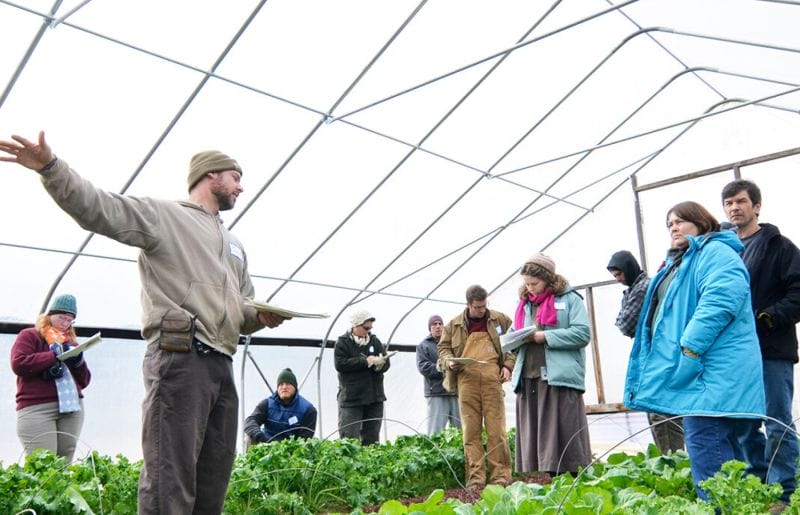


 SHARE
SHARE